
Complete the Krave shift.
Safe food. Consistent preparation. Thoughtful service.
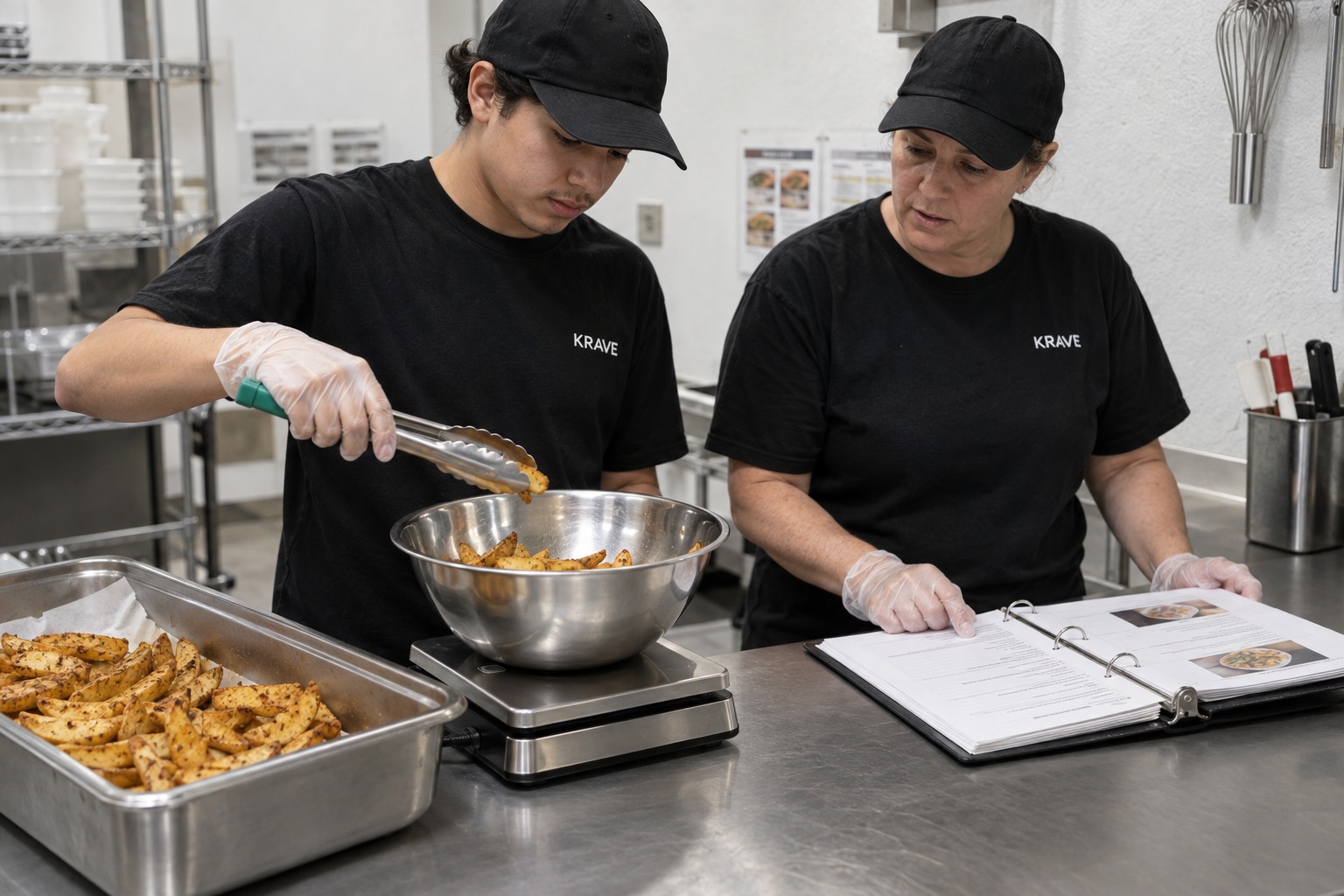
Build on your foundation.
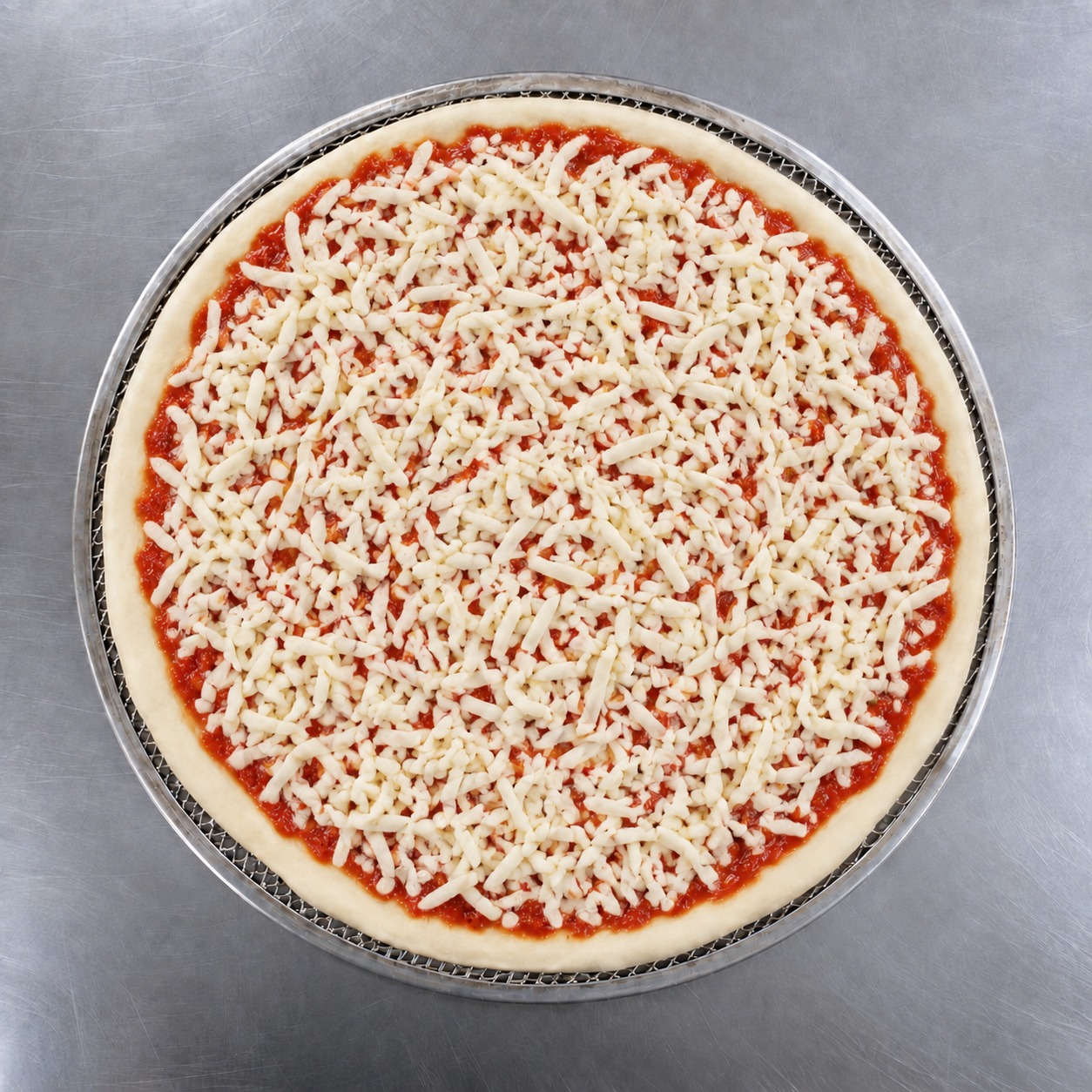
Day 1: food safety. Day 2: recipes, equipment, and pizza preparation.
More foods. More responsibility.
Additional recipes, AutoFry operation, order coordination, guest care, and closing.
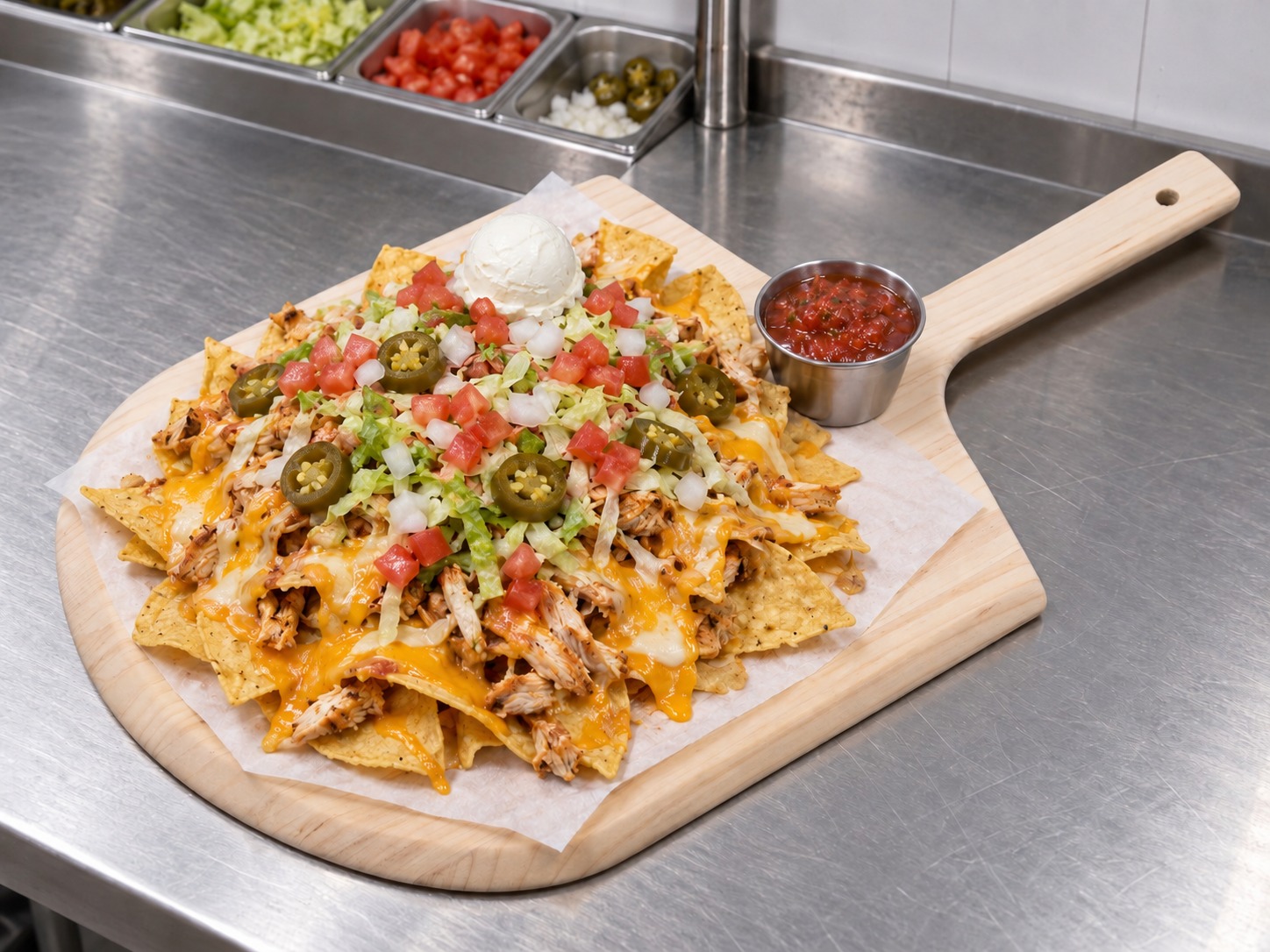
Practice your park’s menu.
Your trainer identifies the recipes and responsibilities that apply here.
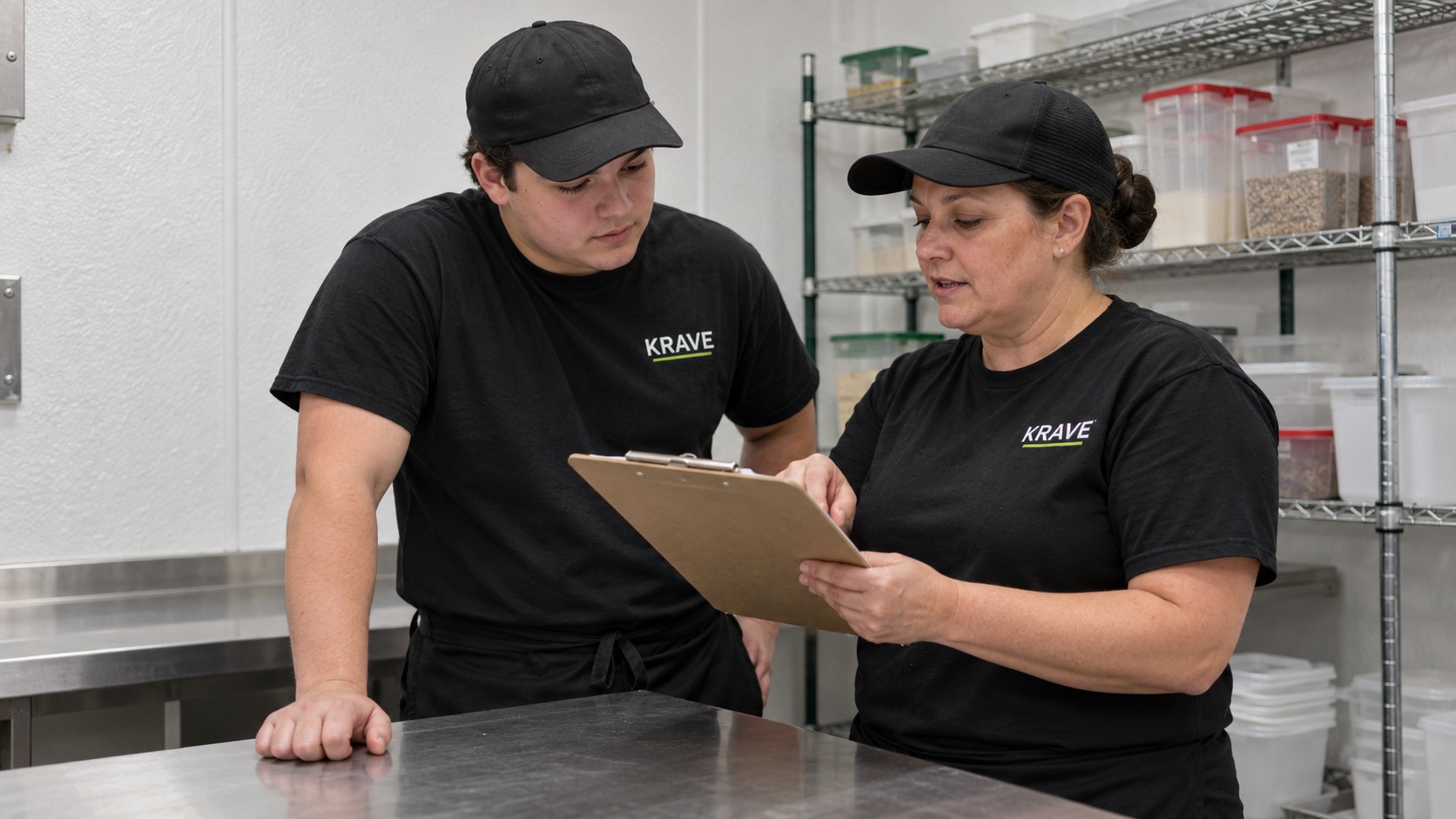
The standard stays.
Work safely. Follow the recipe. Check the result. Ask for help.
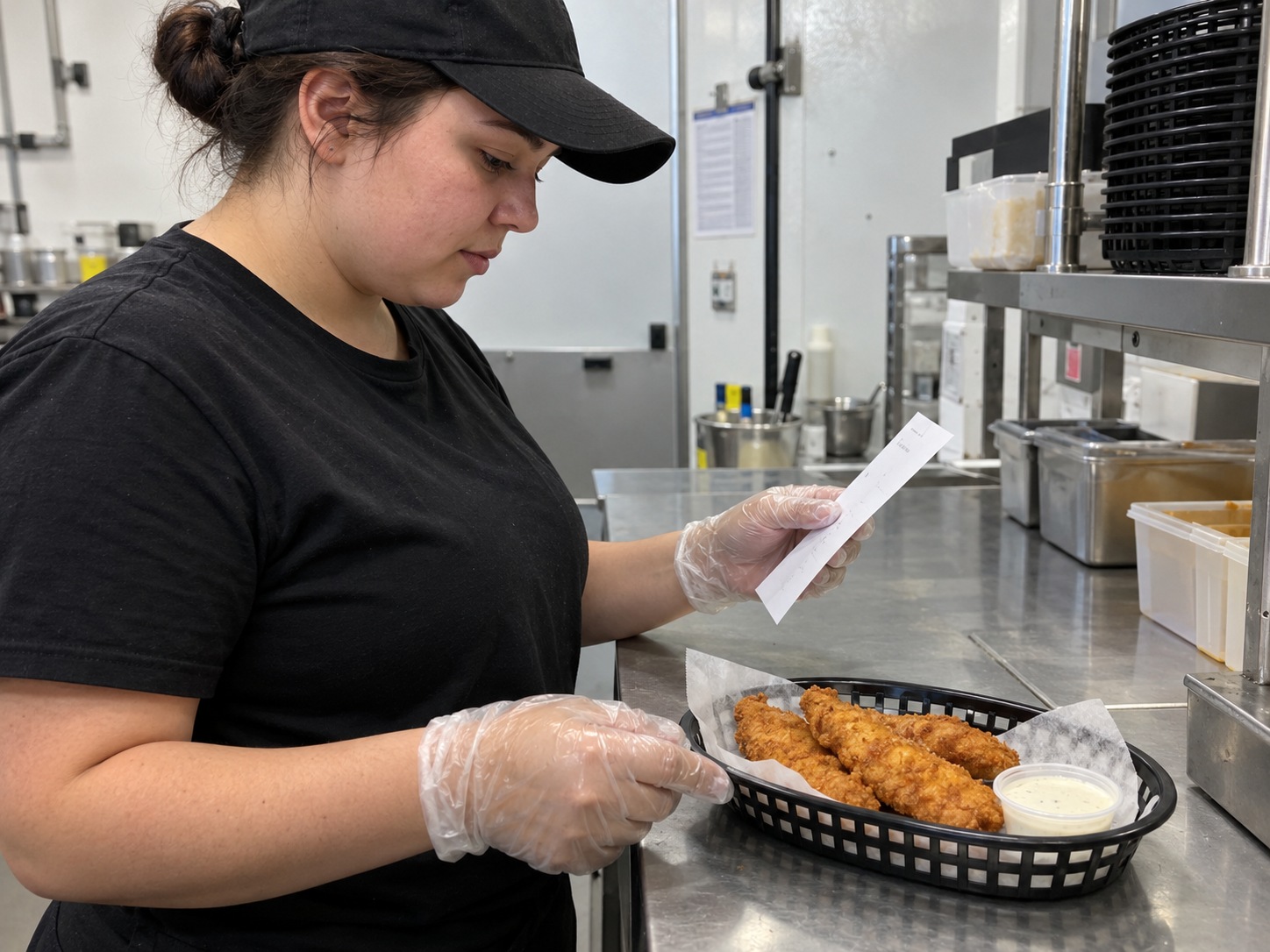
Similar food. Different recipe.
Match the exact item and portion before preparing an order.
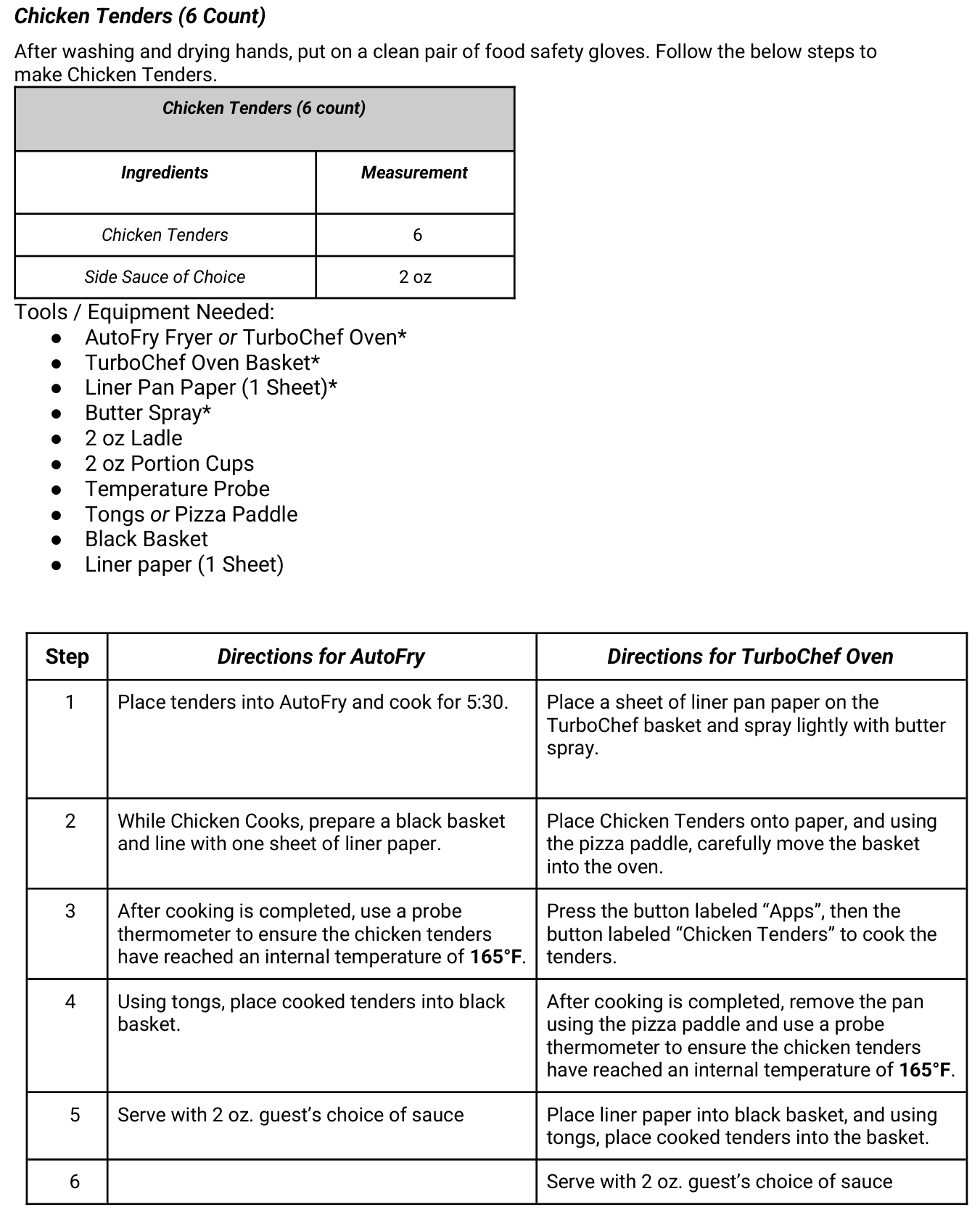
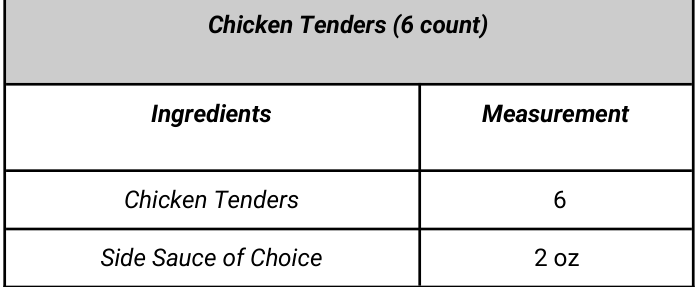
Read the complete standard.
Ingredients, measurements, equipment, cooking instructions, temperature checks, and serving items.
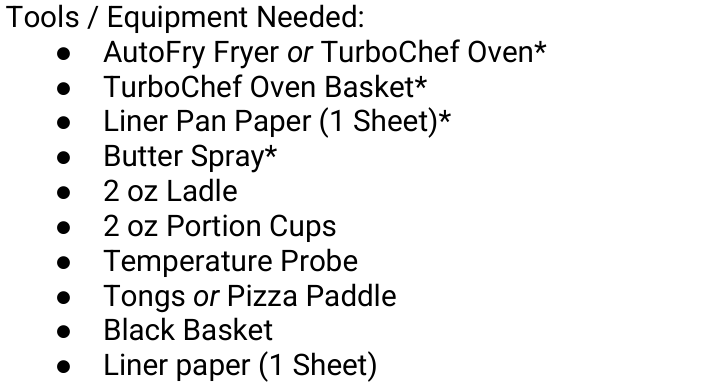
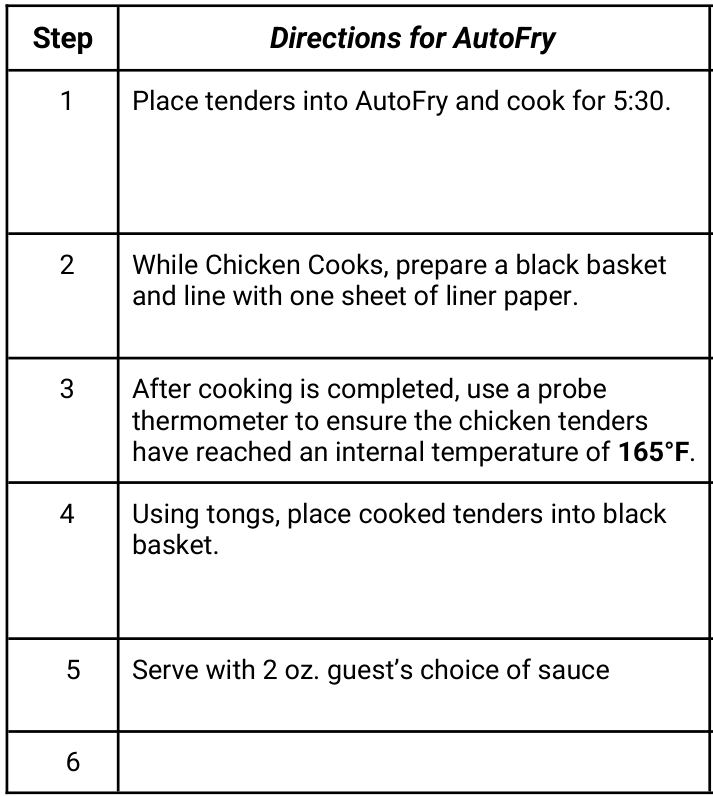

Which version was ordered?
The same base food can have different portions and finishing steps.
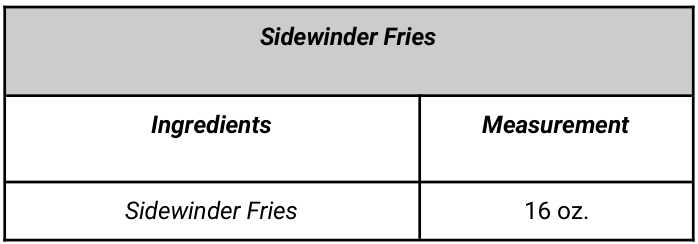
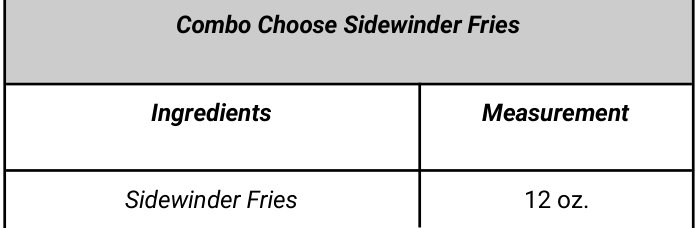
One complete method.
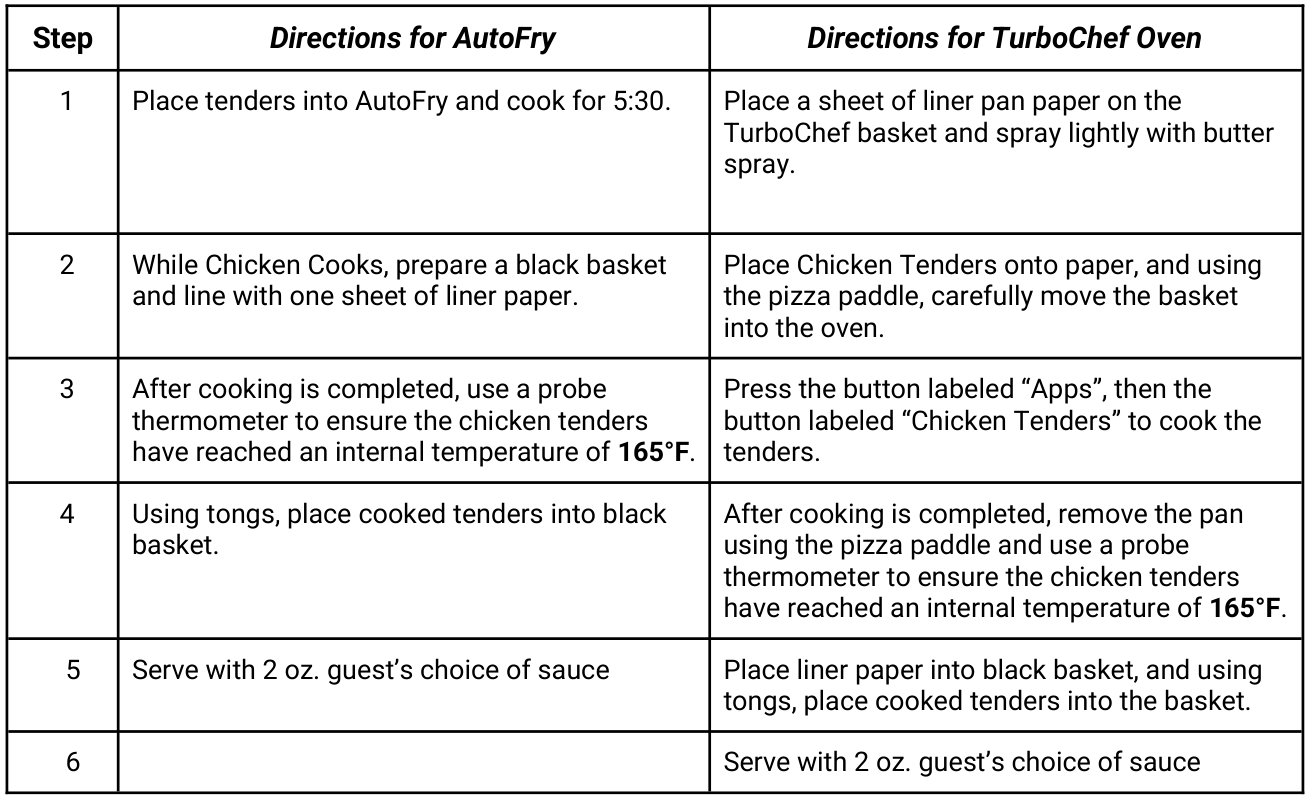
Follow the method for the equipment you are using. Never combine methods.
Confirm local availability.
If the order, ingredients, equipment, or directions do not match, stop and ask.
Enclosed does not mean cool.
Oil and internal components become extremely hot.
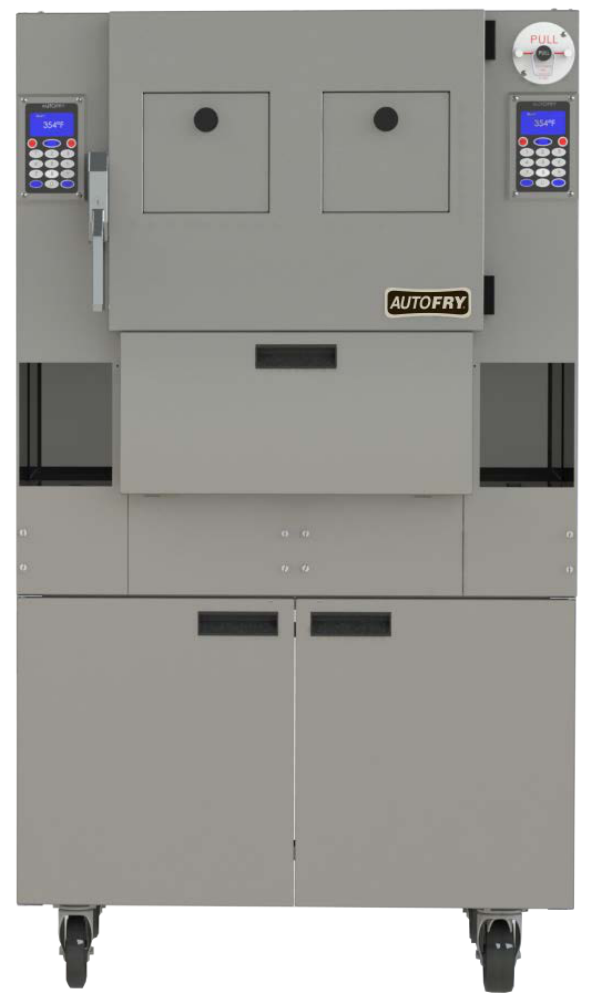
Identify before operating.
Have your trainer identify the controls, entry chute, receiving basket, main access door, and safety features.
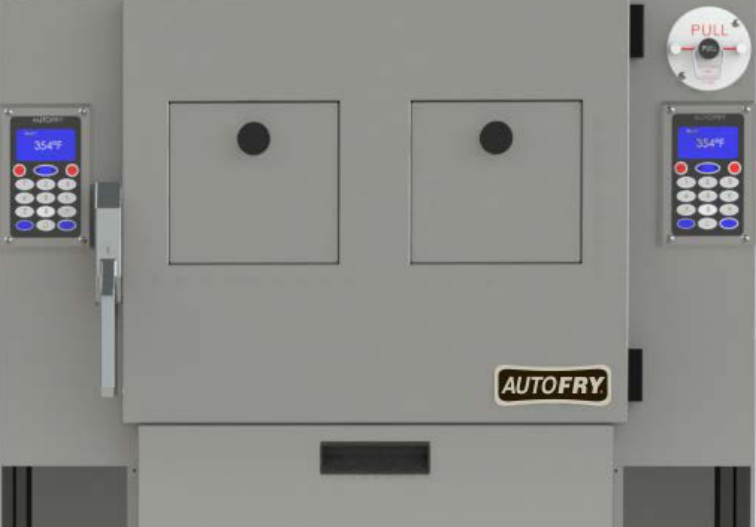
Start with your trainer.
Check oil level and correct component installation. Never operate with low or no oil.
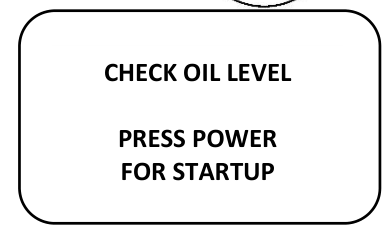
Keep the area clear and dry.
Keep exhaust clear. Water must not enter the cooking oil.
Warm up. Do not bypass.
Wait for approved warm-up. Never reach inside, bypass a switch, or attempt repairs.
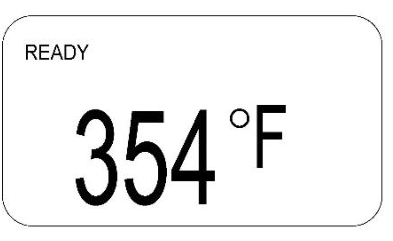
Recipe. Portion. Readiness.
Confirm the receiving basket is in place.
Verify the selection.
Use the approved time or trainer-verified preset. Check the displayed selection.
Load through the entry chute.
Measured food in → close chute → press Start.
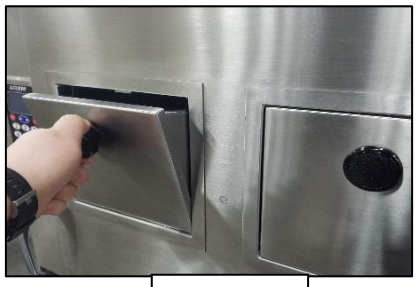
One batch at a time.
Wait until the cycle finishes and the display returns to Ready.
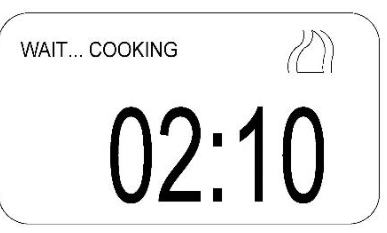
Zero is not the end.
Keep the entry chute closed while the basket rises, drains, and dispenses.
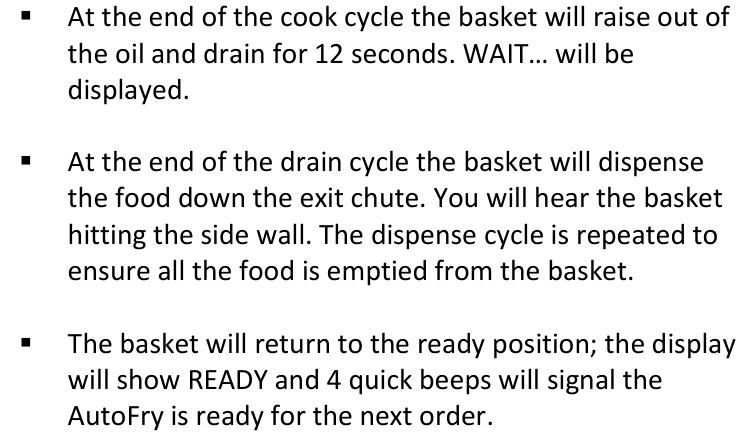
Ready before another order.
Then complete temperature, quality, and presentation checks.
Busy is not a reason to ignore it.
Stop and notify your trainer or manager when equipment or food does not meet the standard.
Keep out. Get help.
Never retrieve food from inside, force components, bypass interlocks, or experiment with programming.
Recognize normal operation.
A brief thump during dispensing can be normal. Your trainer demonstrates the expected cycle.
A completed timer is not approval.
An incorrect result still needs attention.
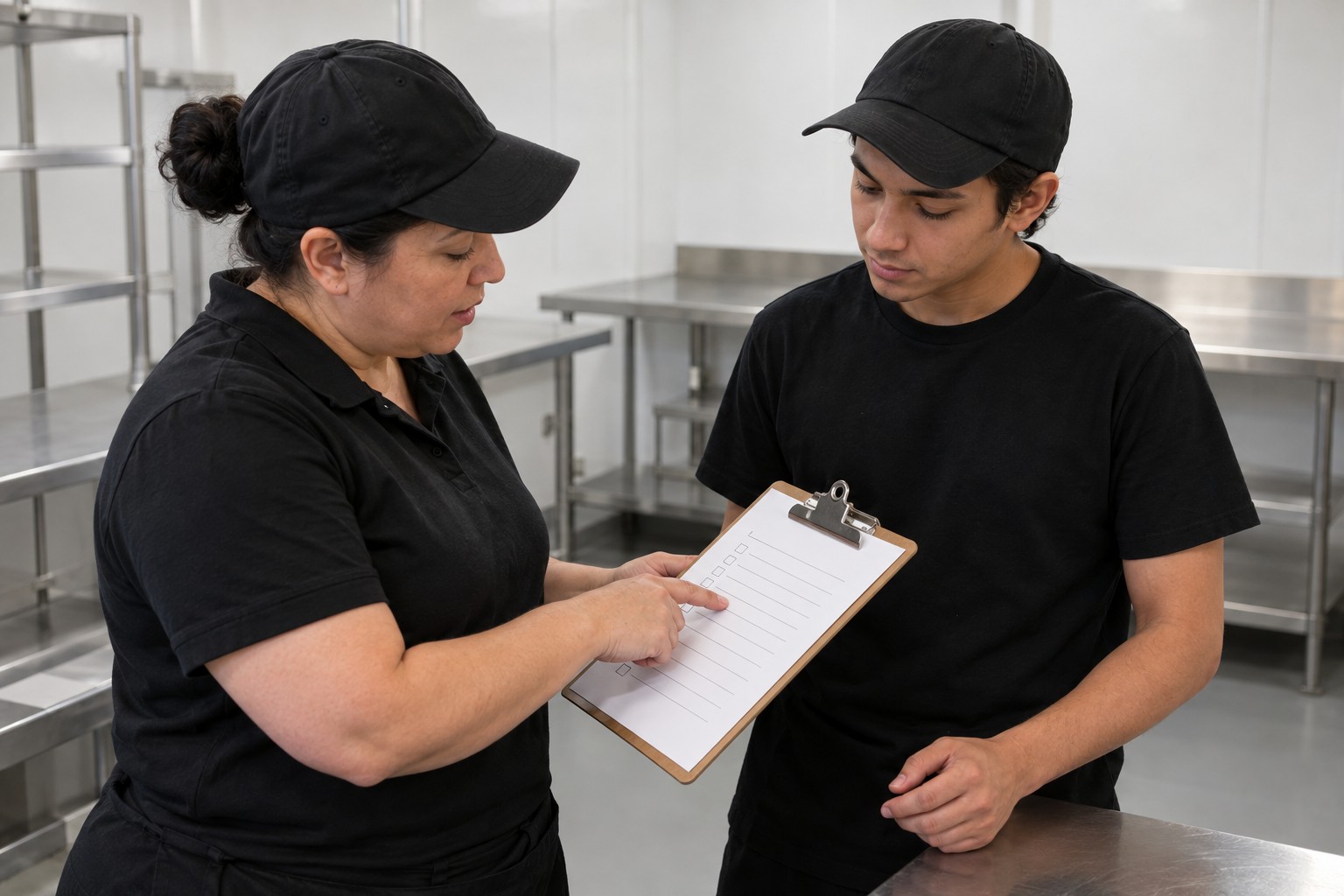
Give useful information.
Report what you loaded, the cooking selection, and what happened.
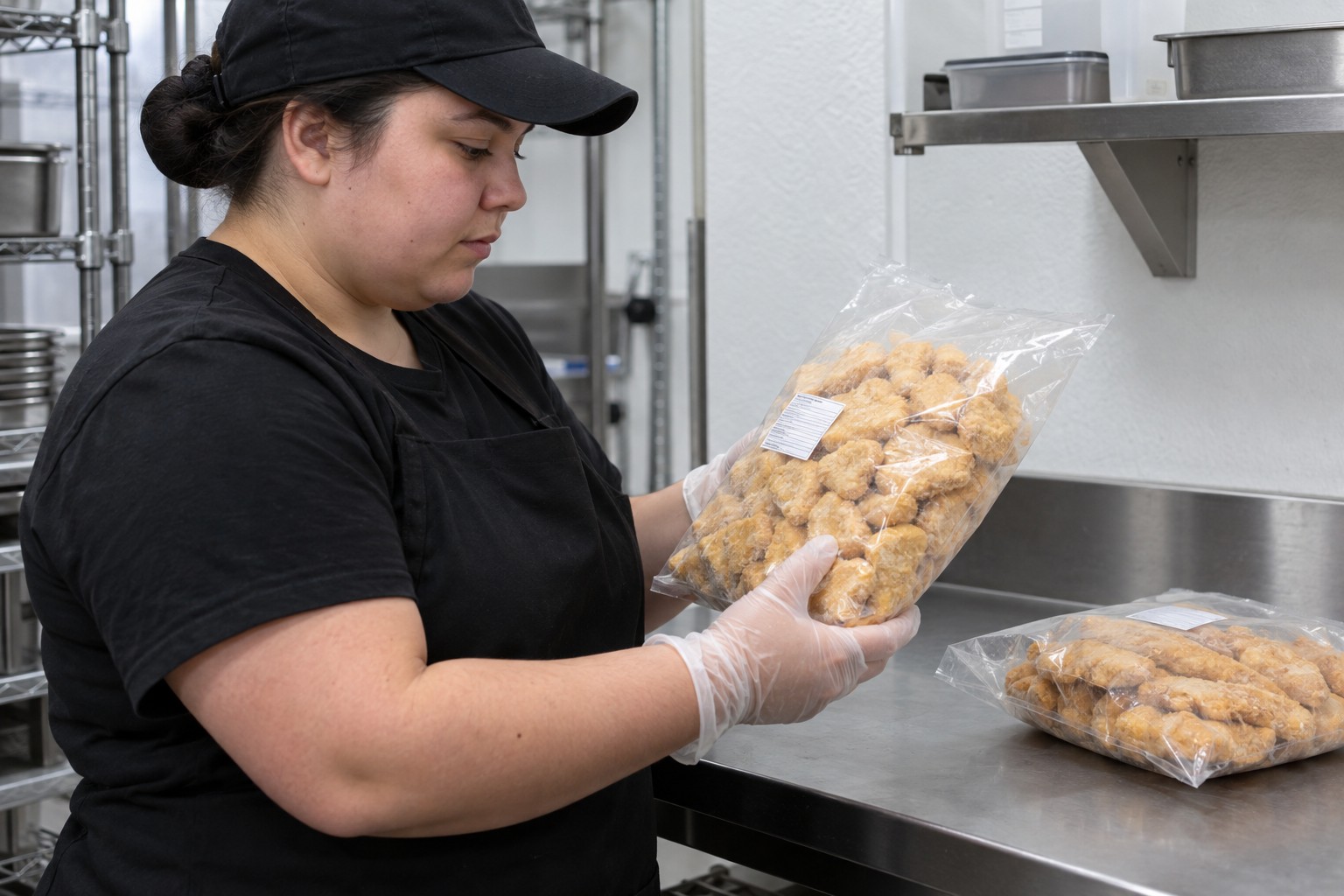
Ready-to-eat still needs care.
Launch uses fully cooked proteins—not raw meat or seafood. Storage, handling, heating, and checks still matter.
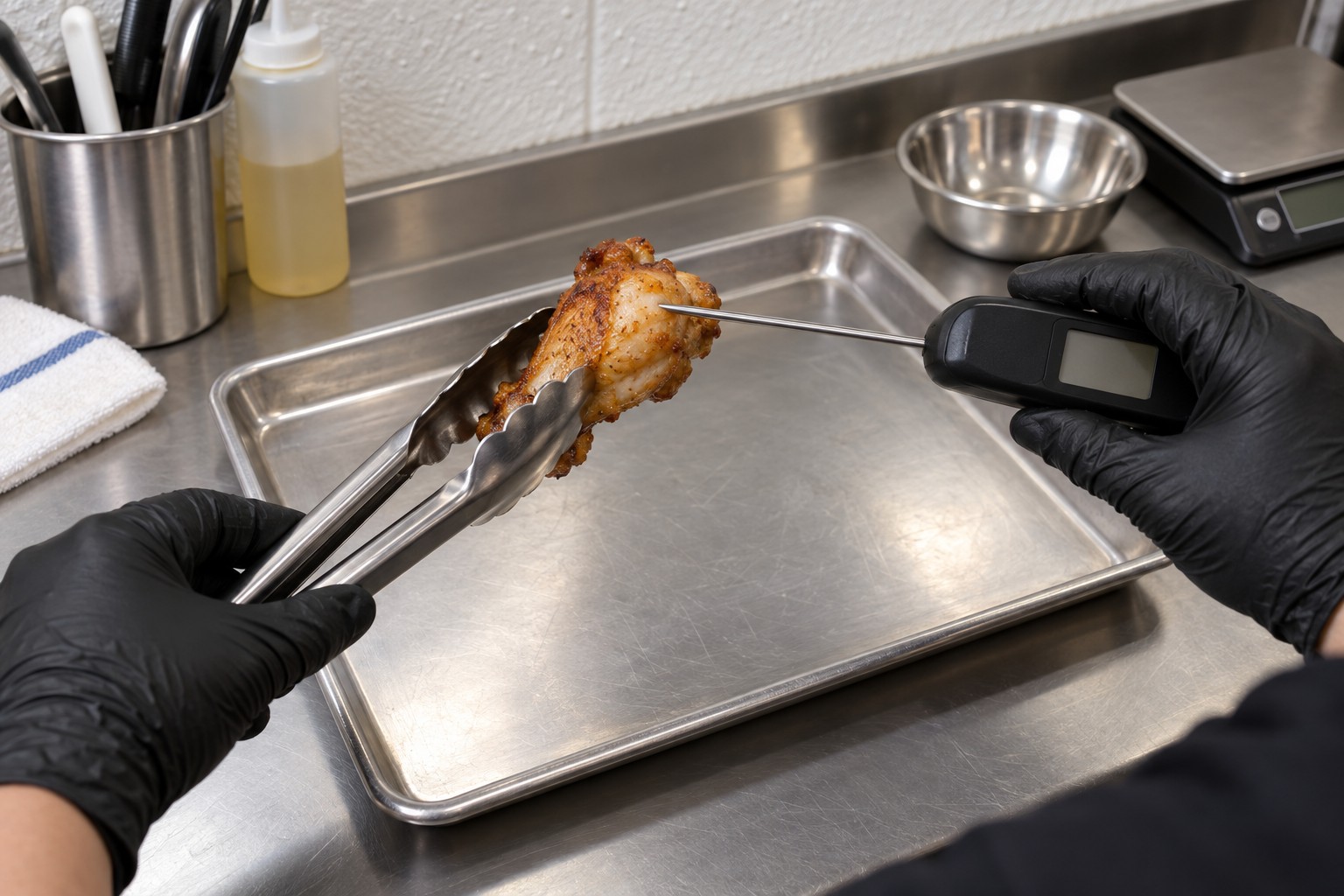
Follow the recipe temperature.
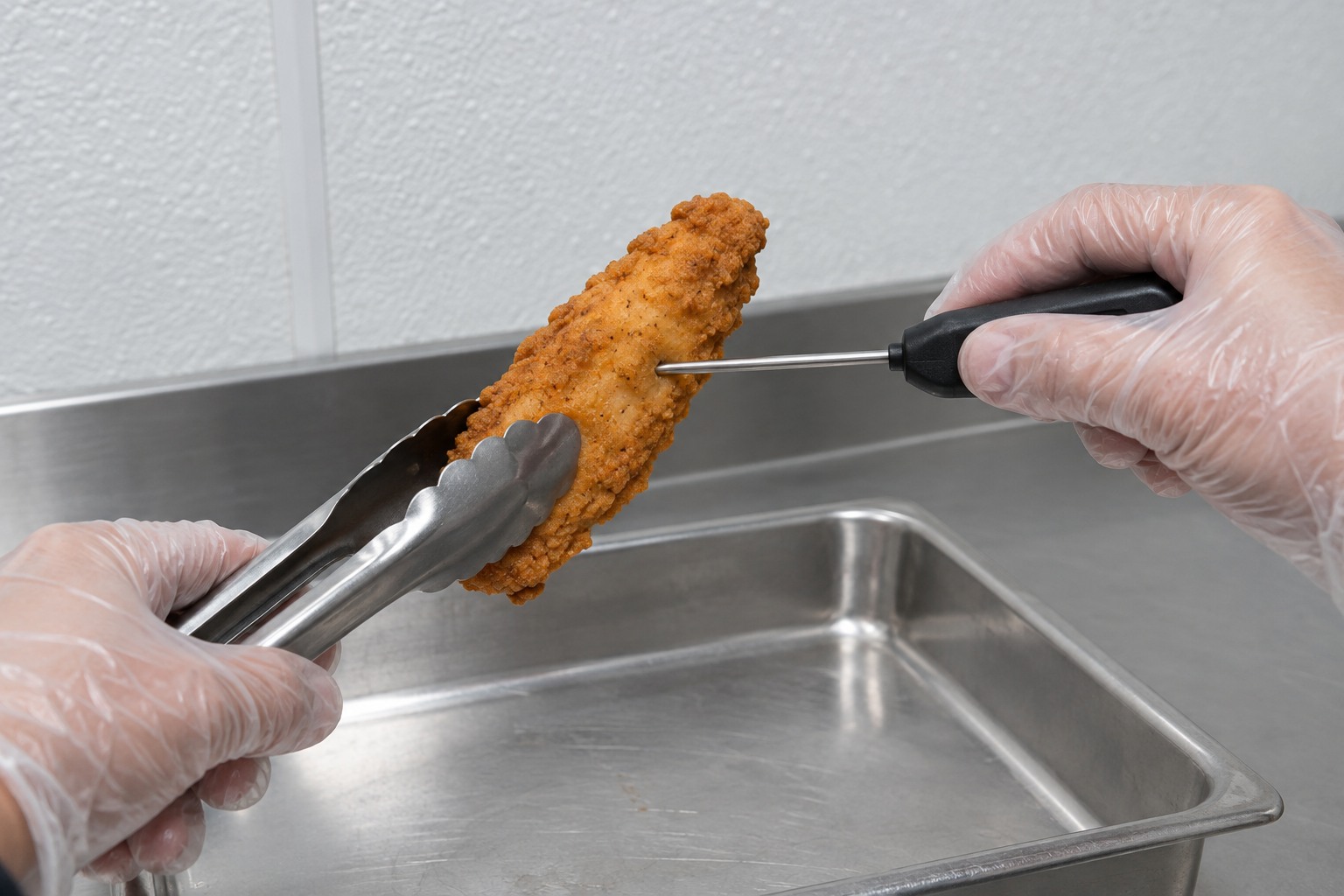
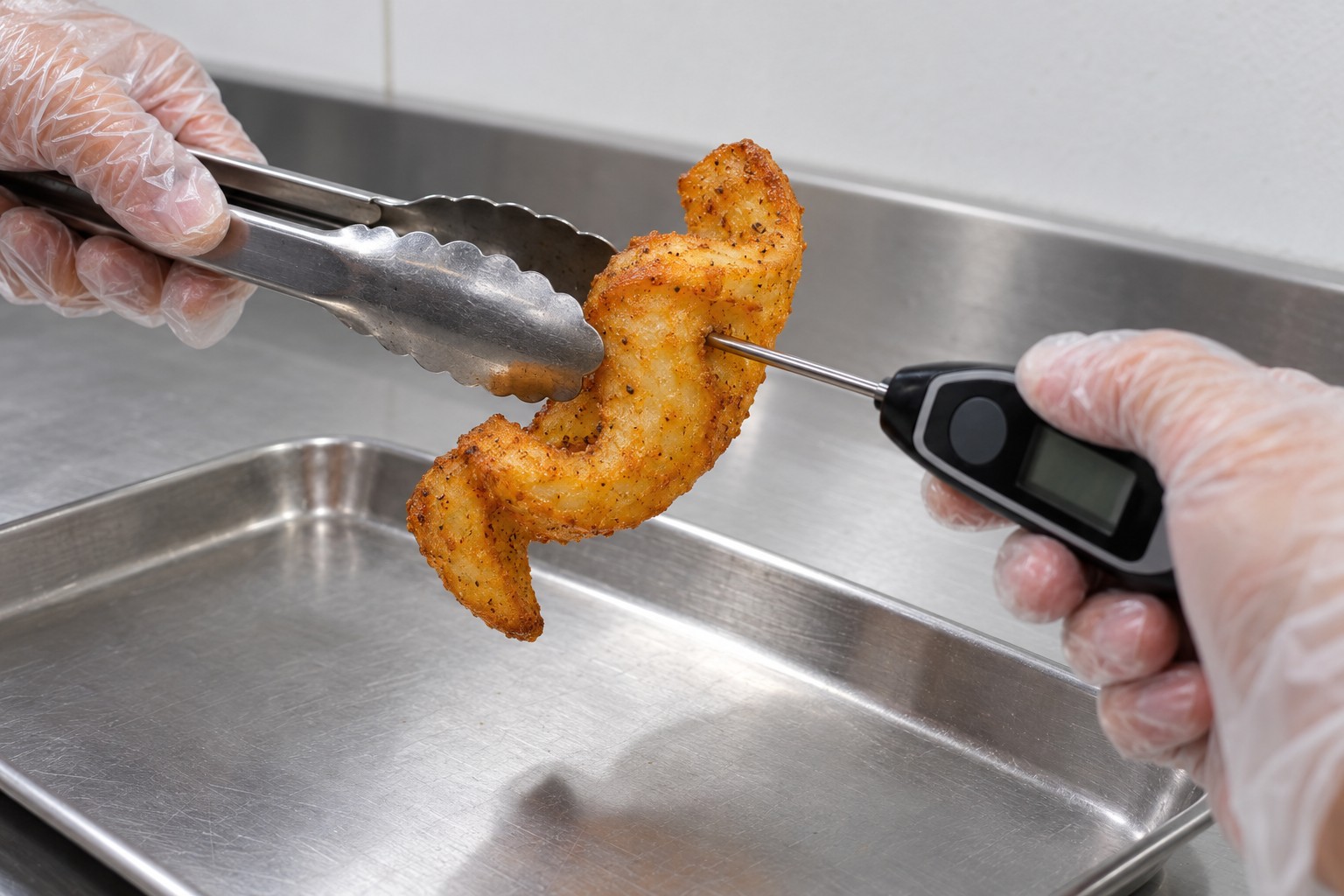
Follow the finished internal-temperature requirement for these chicken and potato recipes.
Measure the food itself.
Use a clean, sanitized probe and the checking technique your trainer demonstrates. Clean and sanitize before and after use.
Appearance does not prove temperature.
A timer, brown coating, or hot basket cannot verify the food’s internal temperature.
Keep it from service.
Notify your trainer or manager. Do not guess or change settings yourself.
Match product and count.
Tenders and nuggets have separate recipes.
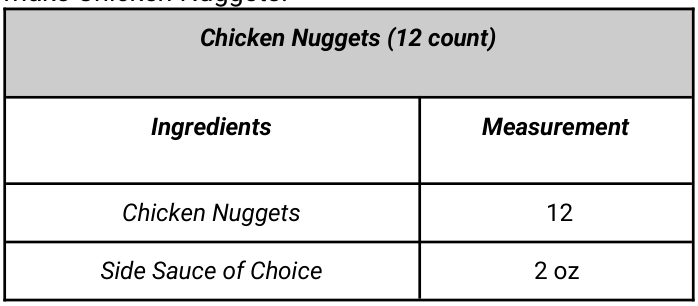
Use the correct AutoFry time.
Use the separate recipe selections and verify the finished food before service.
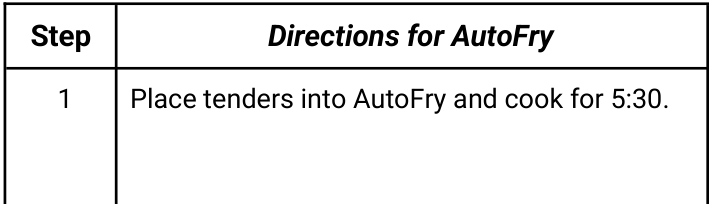
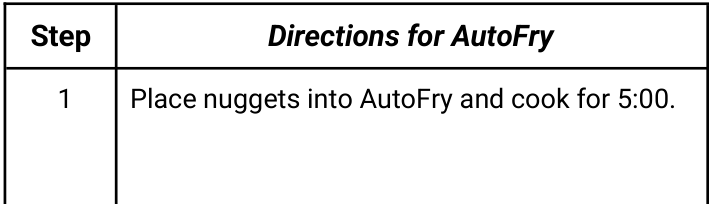
Split batches when needed.
Do not force a large order into one load.
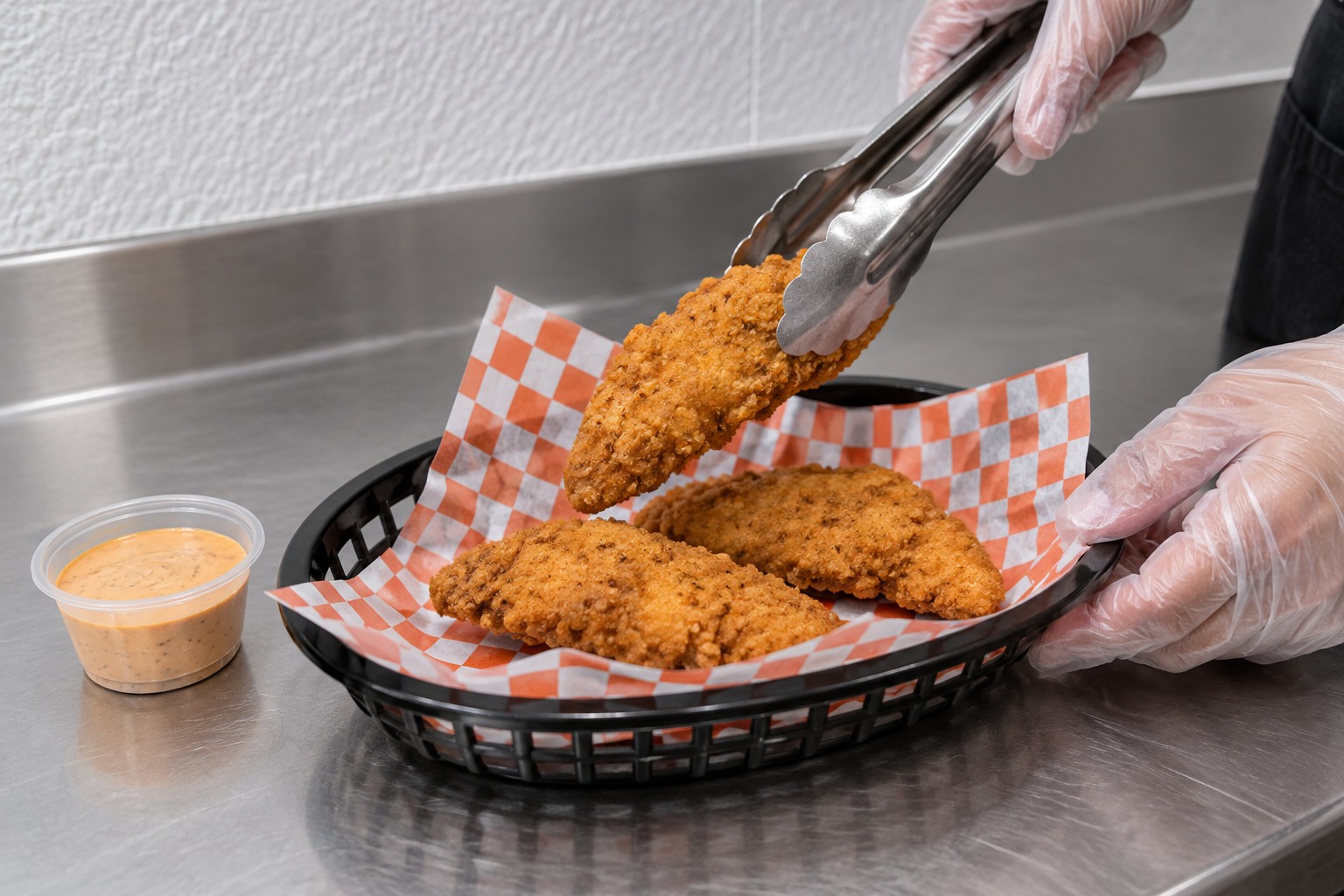
Regular orders: lined black basket.
Include the recipe’s sauce portion.
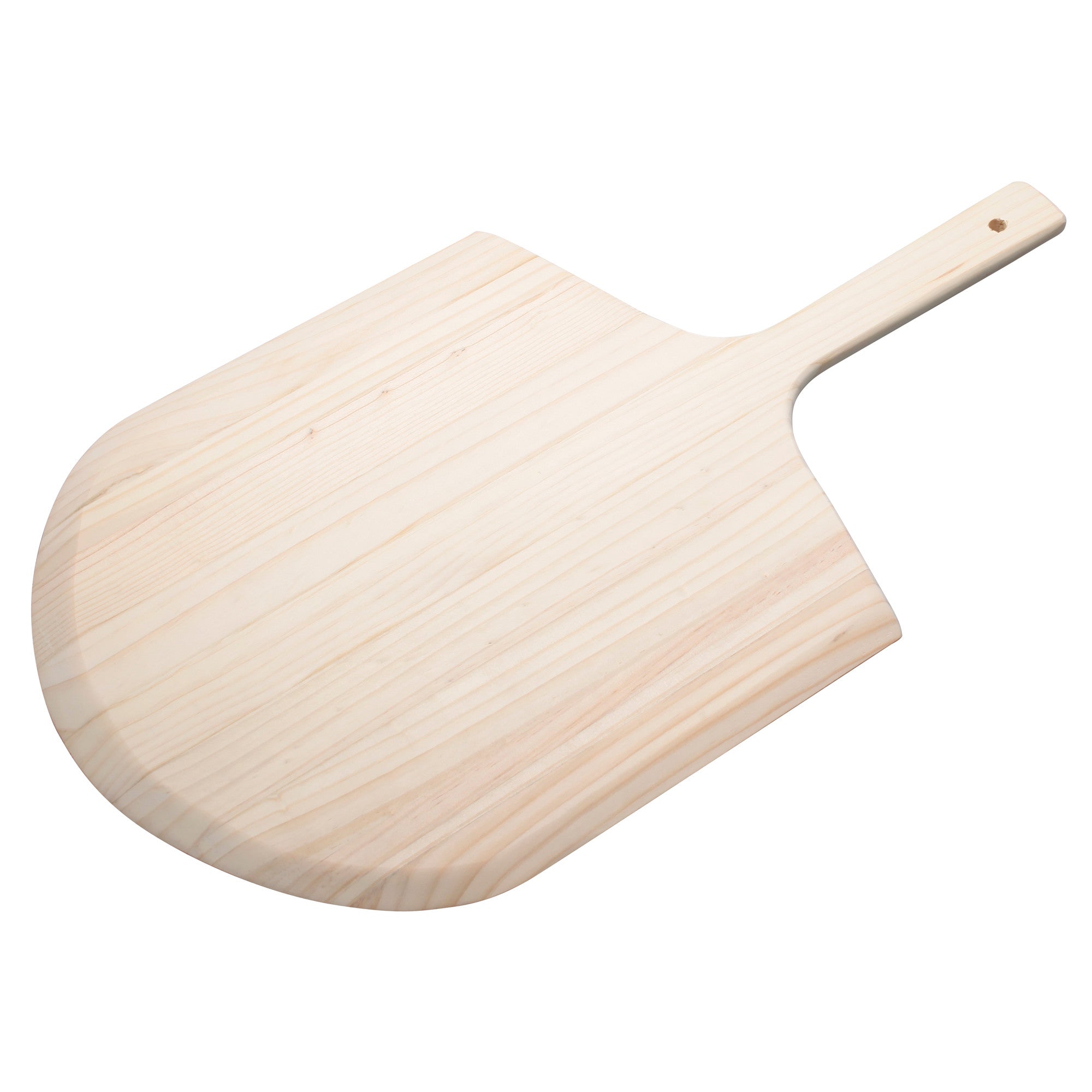
Platter: large lined wooden paddle.
Arrange tenders in a pyramid with the specified sauces. Count, temperature, sauce, and presentation all matter.
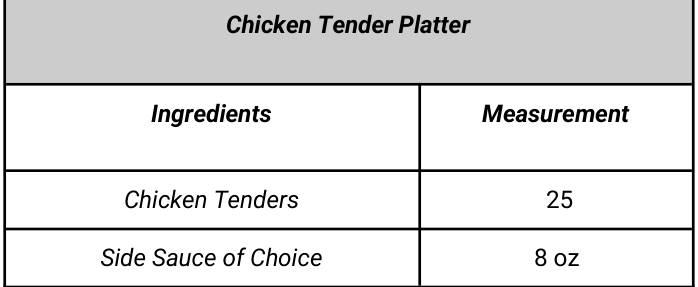
Confirm count, flavor, and dip.
Use the recipe for the exact portion. Sauce amounts do not always increase at the same rate.
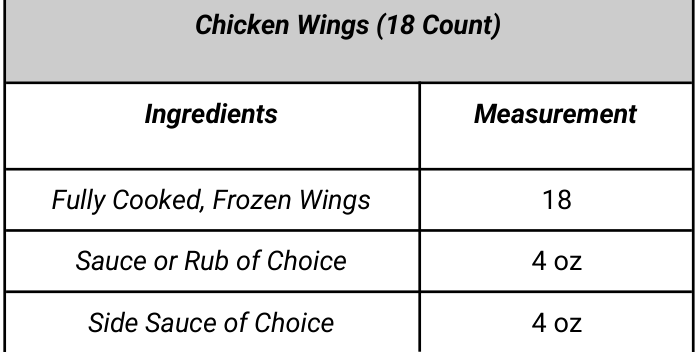
Standard frozen-wing AutoFry method.
Split larger orders appropriately. Verify the finished internal temperature.


Measure. Toss. Lift.
Use a stainless bowl, coat evenly, and gently shake excess sauce from wings using tongs.
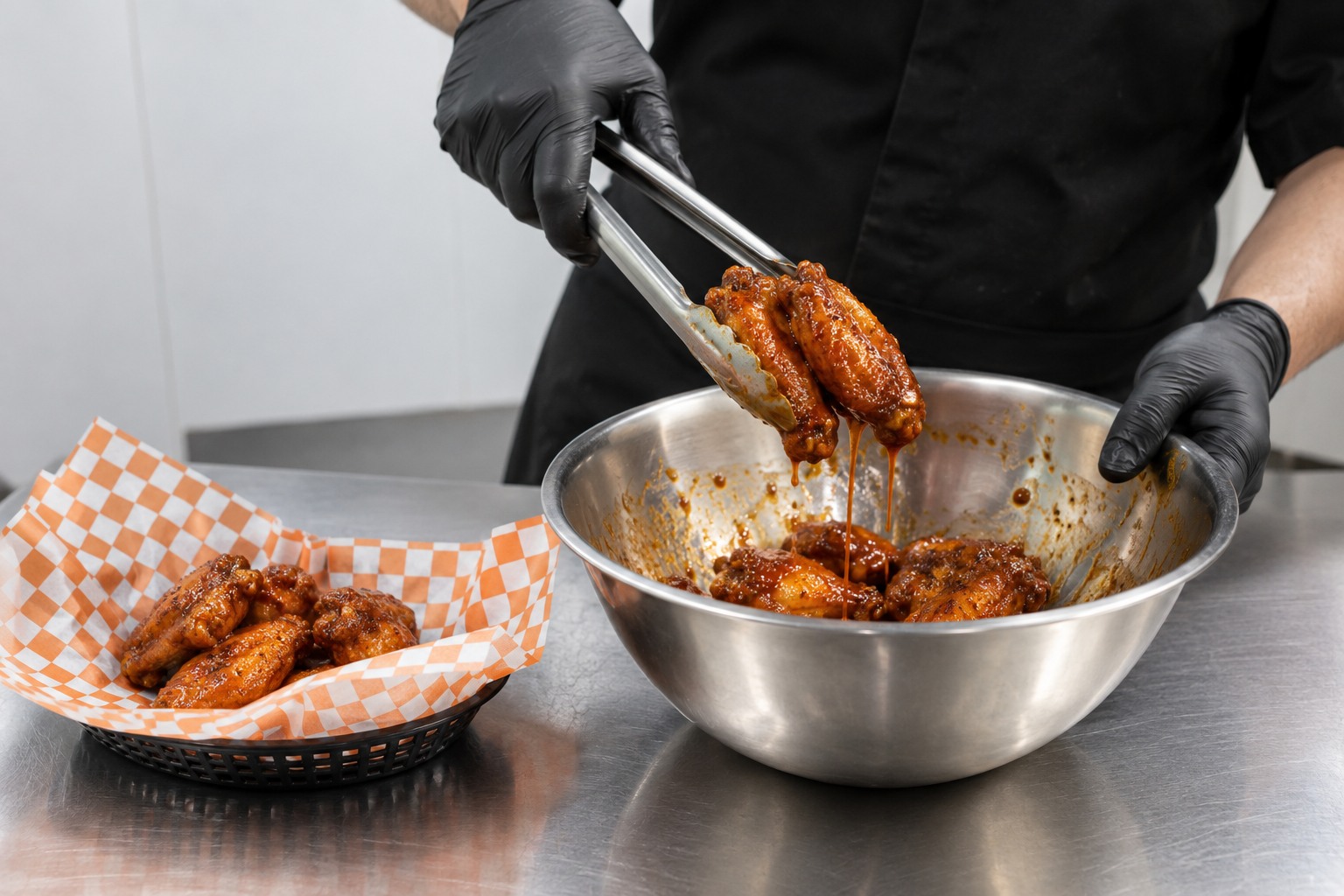
Match the serving item.
Regular orders use lined black baskets. Platters use a lined large wooden paddle and pyramid arrangement.
Finish the order.
Correct dipping sauce portions. Prompt service.
Do not treat every side the same.
Sidewinders, French fries, and tots have separate recipes and portion versions.
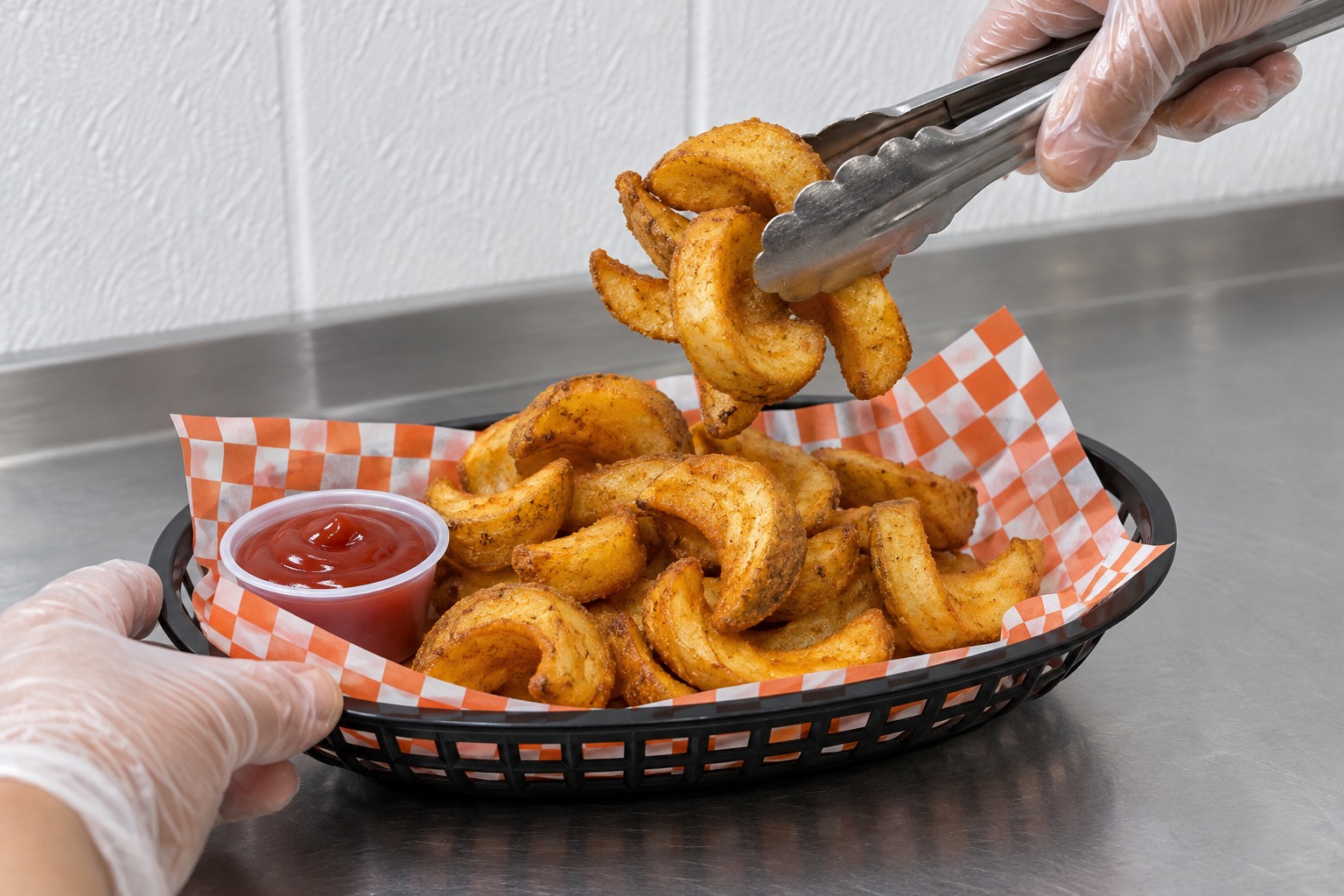
Measure the Sidewinder portion.
Do not judge quantity by how full a basket looks.
Measure before cooking.
Follow the approved measuring method and directions for your equipment.
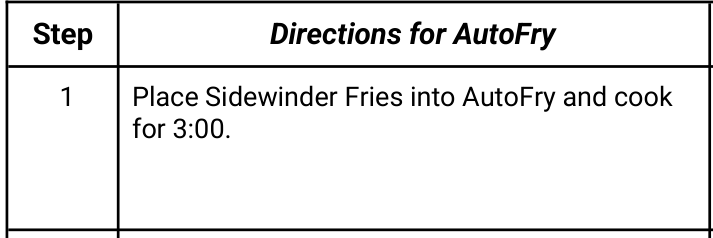
Standard AutoFry Sidewinders.
After cooking, check the finished internal temperature.

Prepare the basket.
Use clean tongs to transfer finished food into the lined black serving basket.
Provide the recipe condiments.
If ketchup is not at the tables: a 2-ounce cup or four individual packets.

Cook the base first.
Follow the Loaded Sidewinder recipe.
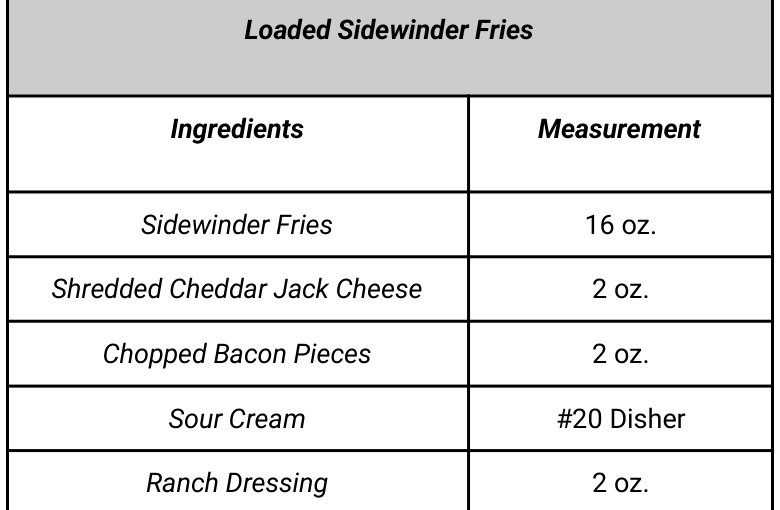
Cook. Then check.
Verify the base before adding toppings.
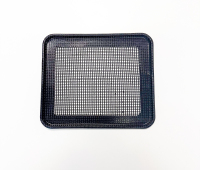
Use the cooking basket.
Transfer onto liner paper in the TurboChef cooking basket.
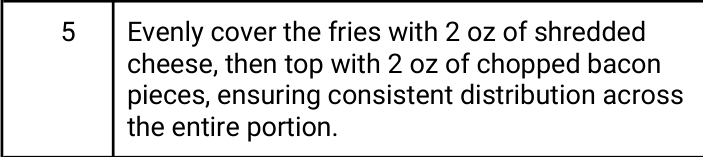
Measure the toppings.
Distribute cheese and bacon evenly across the fries.
Follow the finishing step.
Use the oven procedure demonstrated by your trainer.
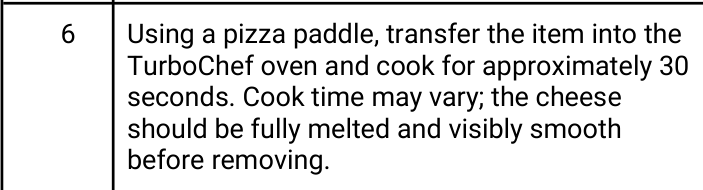
Check the cheese.
Fully melted before moving to the serving basket.
Use a lined black basket.
Transfer the food and liner into the approved serving basket.
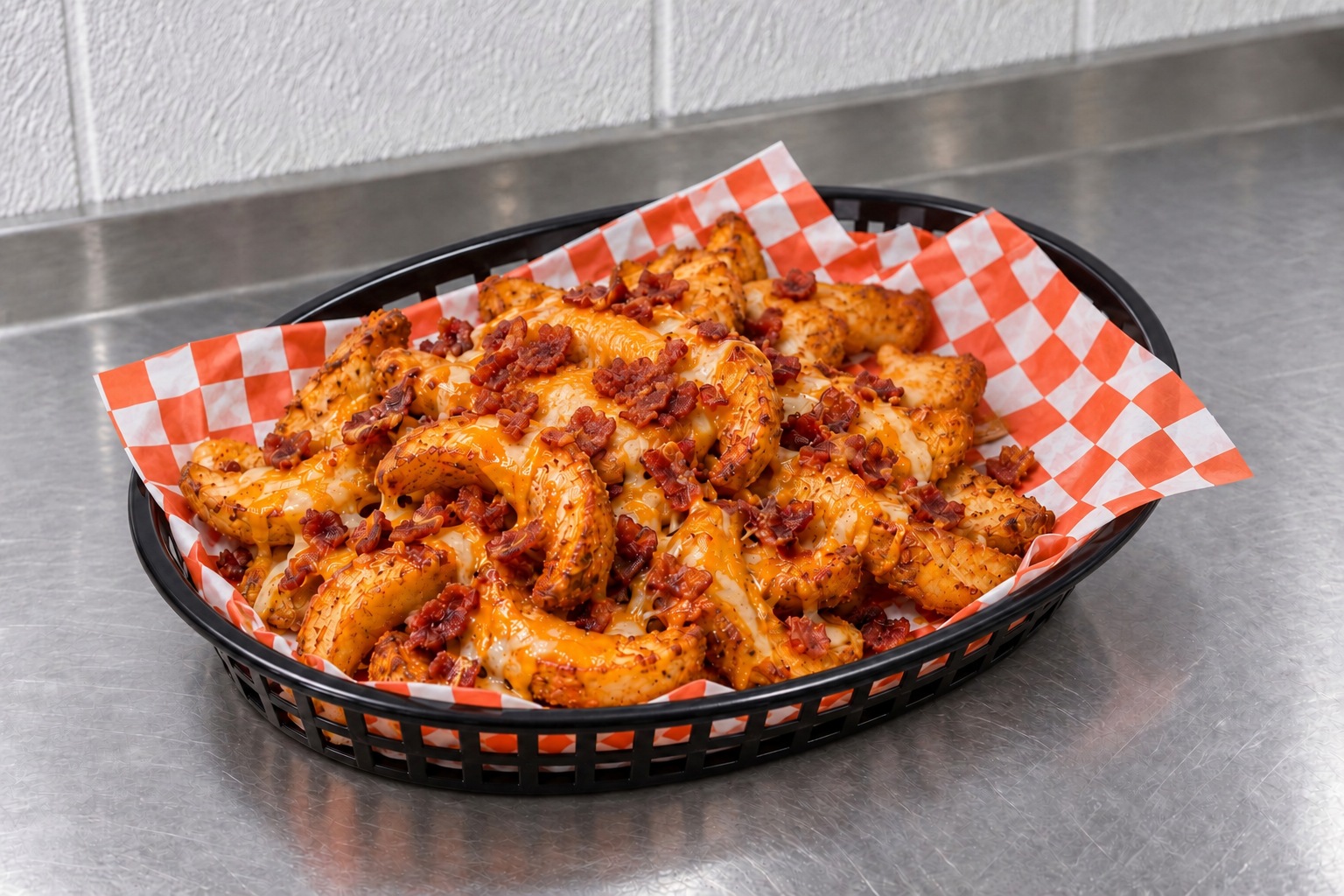
Add the sour cream.
One level scoop using the #20 disher.

Add the ranch.
One 2-ounce portion cup.
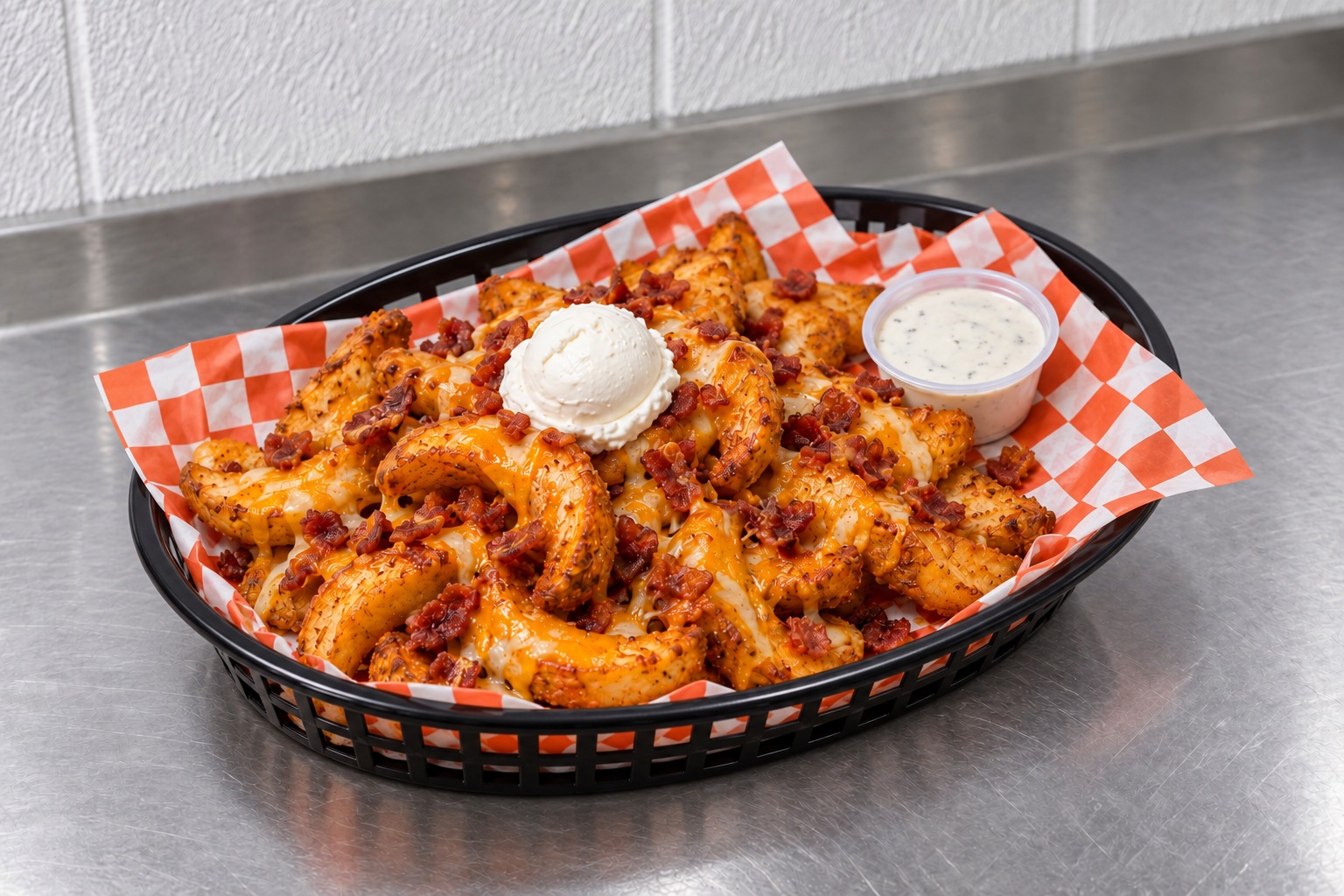
Regular side: black basket.
Serve the regular Loaded Sidewinders in a lined black basket.
Platters: approved paddle.
Use the platter recipe, its portions, and the appropriate large paddle.
Made to order, where offered.
Begin with liner paper in the TurboChef basket.
Build the first layer.
Layer the measured chips, then the measured cheese.


Repeat the layers.
Repeat the chips and cheese layers using the recipe portions.

Add grilled chicken.
Spread the measured grilled chicken evenly over the top.
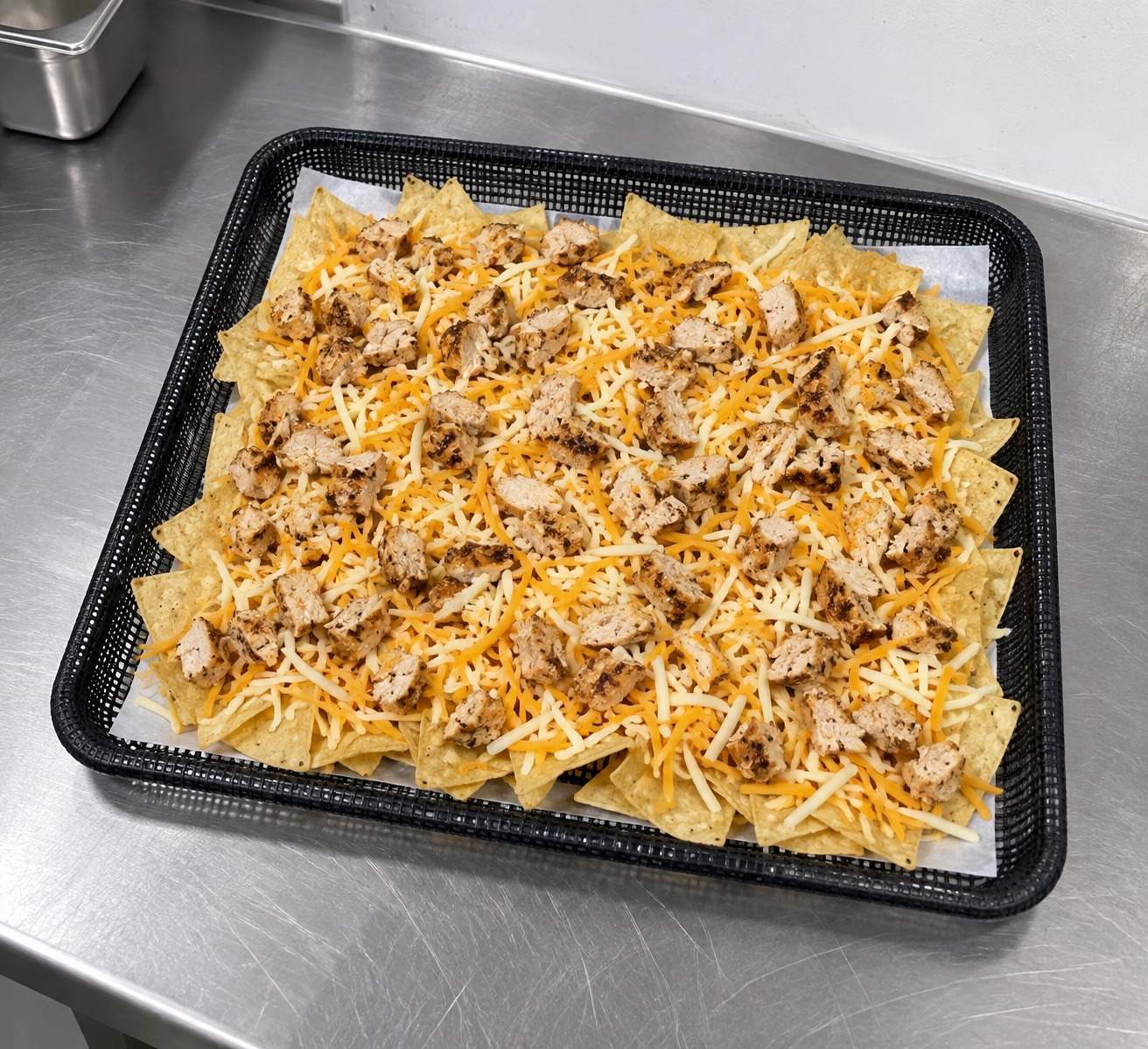
Select the recipe program.
Follow the recipe selection and use the metal pizza paddle for hot-basket handling.


Finish after cooking.
Add the recipe’s measured finishing ingredients after cooking. Serve immediately.




Your park’s menu matters.
Additional appetizers, salads, and desserts still follow the current approved recipes.
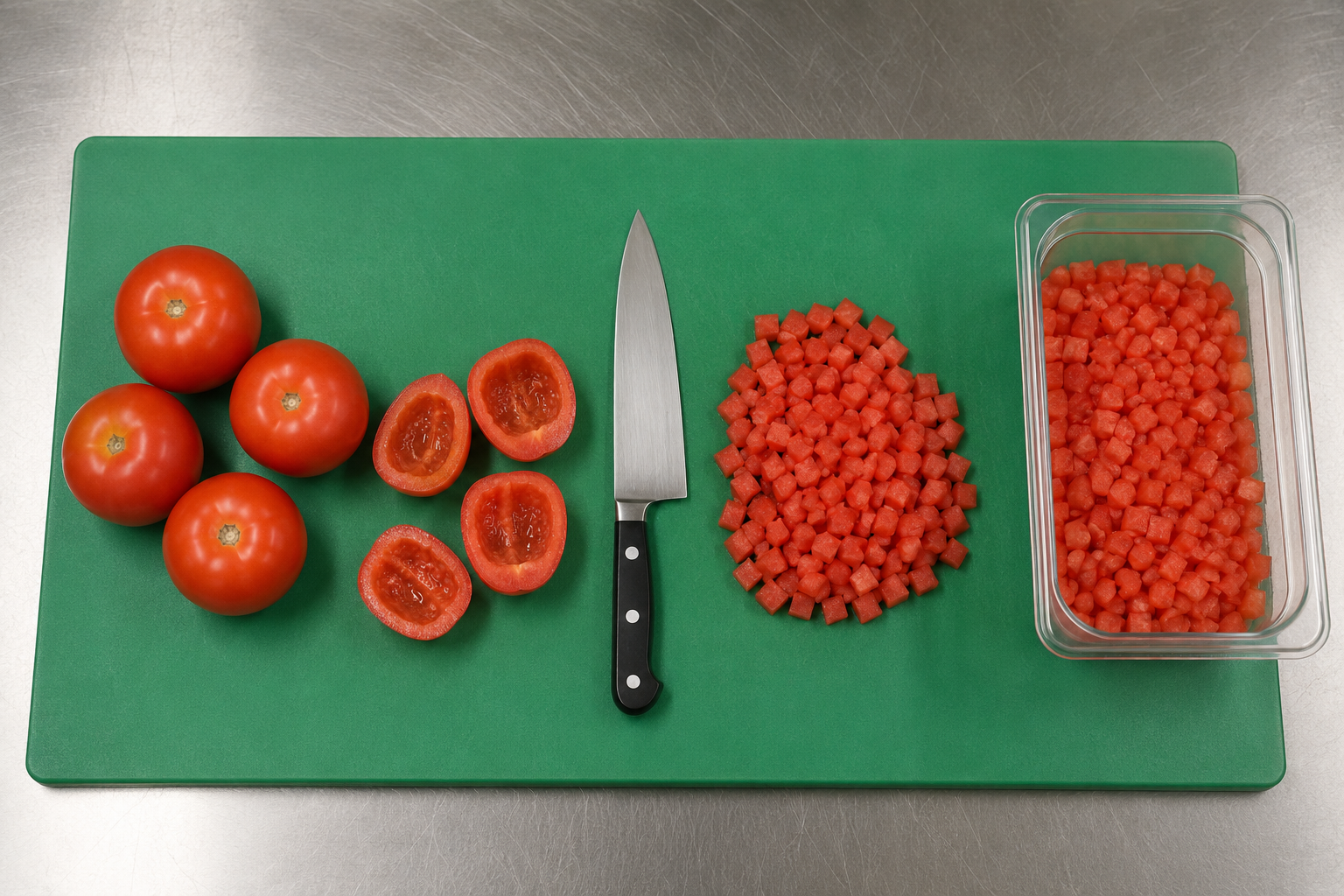
Read before starting.
Confirm what is cooked, what is added later, and how the finished item is served.
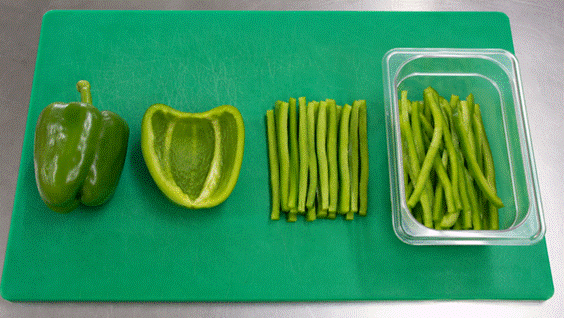
Produce has its own preparation.
Follow preparation and labeling instructions. Check approved use windows.
Do not transfer assumptions.
Cooking times, proteins, and containers differ by recipe.
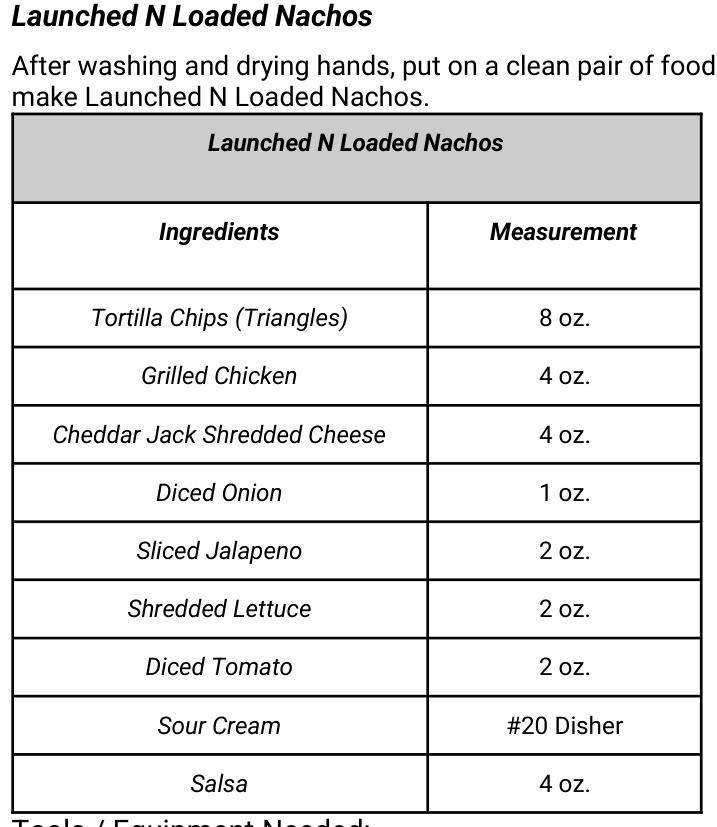
Conflicting directions? Ask.
Practice your park’s additional foods with your trainer using the current approved recipes.
Prepare for expected demand.
Review parties, group orders, available product, and equipment capacity with your trainer.
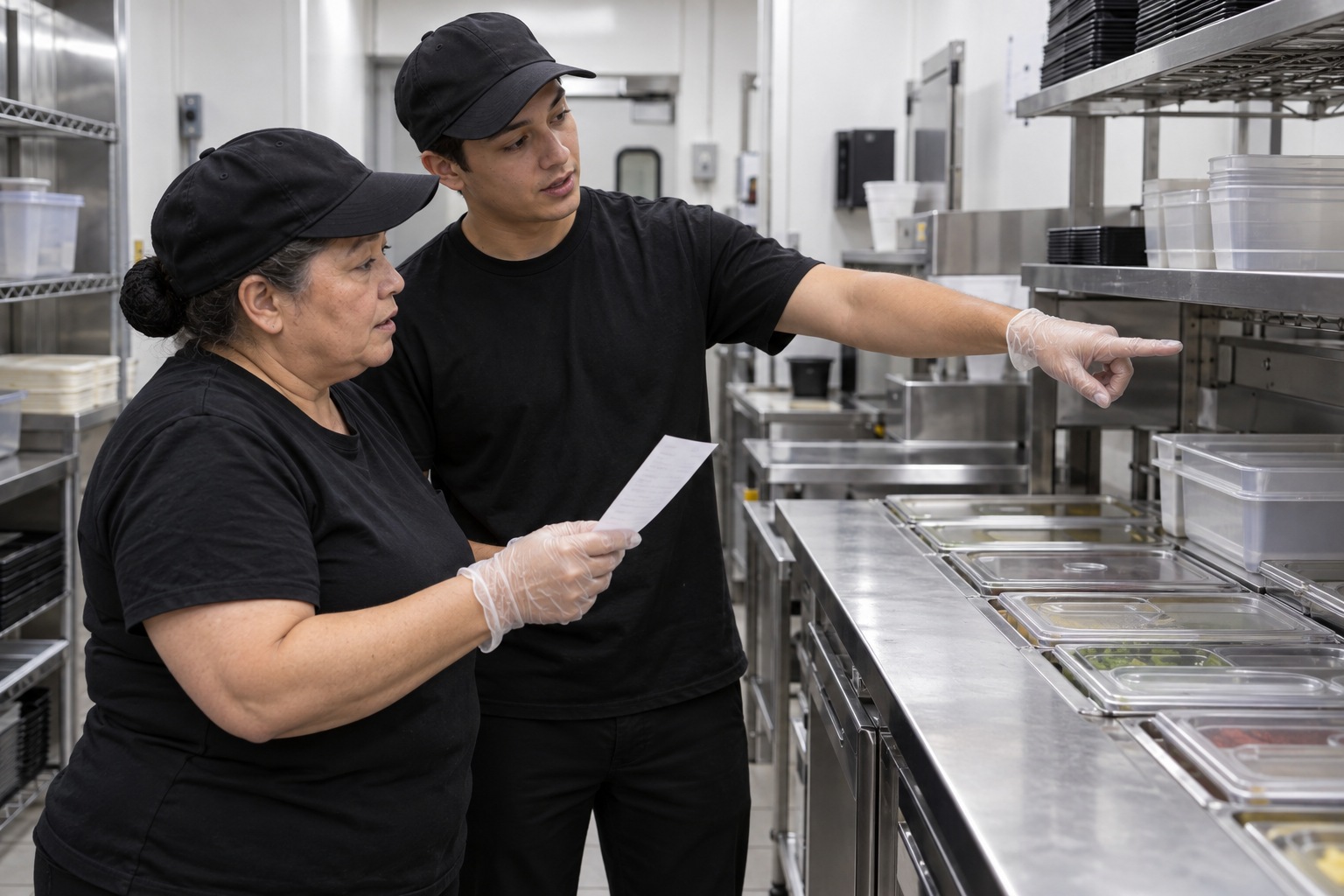
Use only the demonstrated procedure.
Tenders and wings have specific high-volume methods. They do not authorize shortening the standard frozen-food cycle.

Heat before holding.
Reach the required internal temperature before hot holding.
Maintain safe hot holding.
Keep hot-held food at the required minimum temperature.

Track the batch deadline.
Track each batch and its discard deadline. Never reset the clock, mix batches, or extend the limit.

Read the whole order.
Pizza, wings, a side, and sauces need to reach the guest as a complete, accurate order.
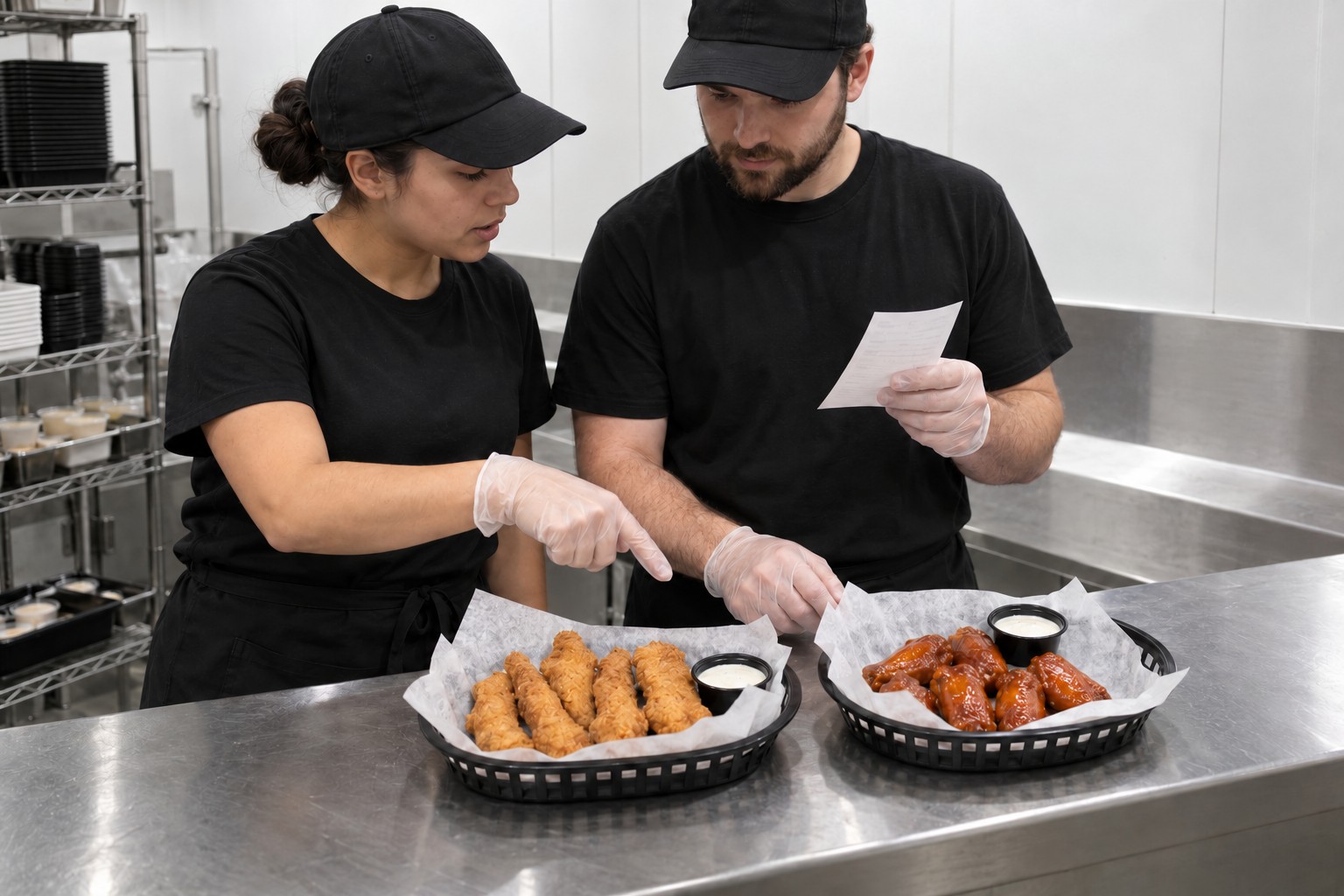
Make the work visible to teammates.
Say what you are preparing, which equipment is occupied, and what is outstanding.
Coordinate using real recipe times.
Follow trainer direction. Do not let finished items sit unnoticed.
Communicate delays early.
Report unavailable ingredients, equipment delays, and order corrections.
Compare food with the order.
Check item, count, size, sauce, serving container, and presentation.
Service continues outside the kitchen.
Follow the handoff system used at your location.
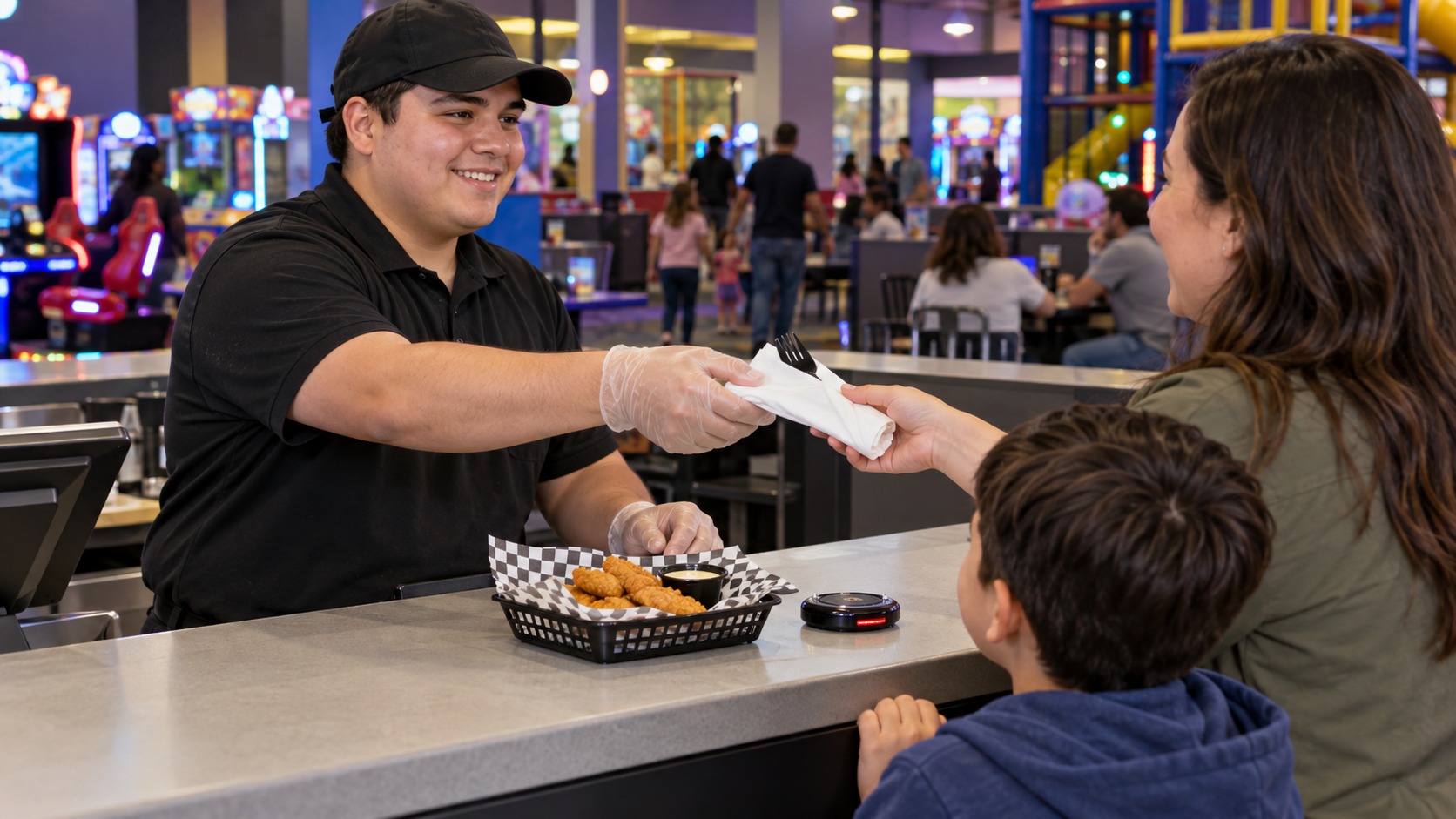
Confirm the destination.
Buzzer: guest collects. QR order: deliver to the correct table or bowling lane.
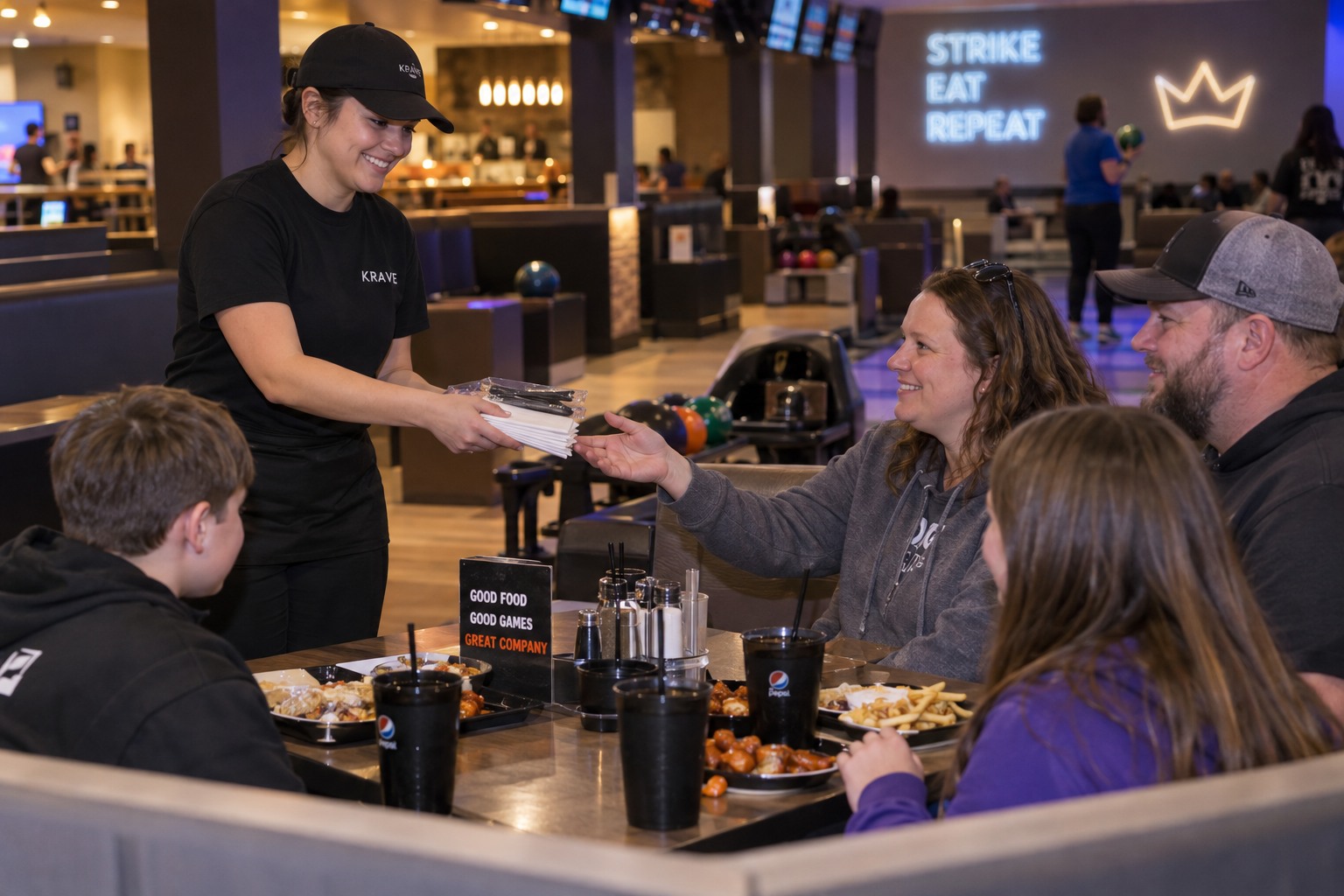
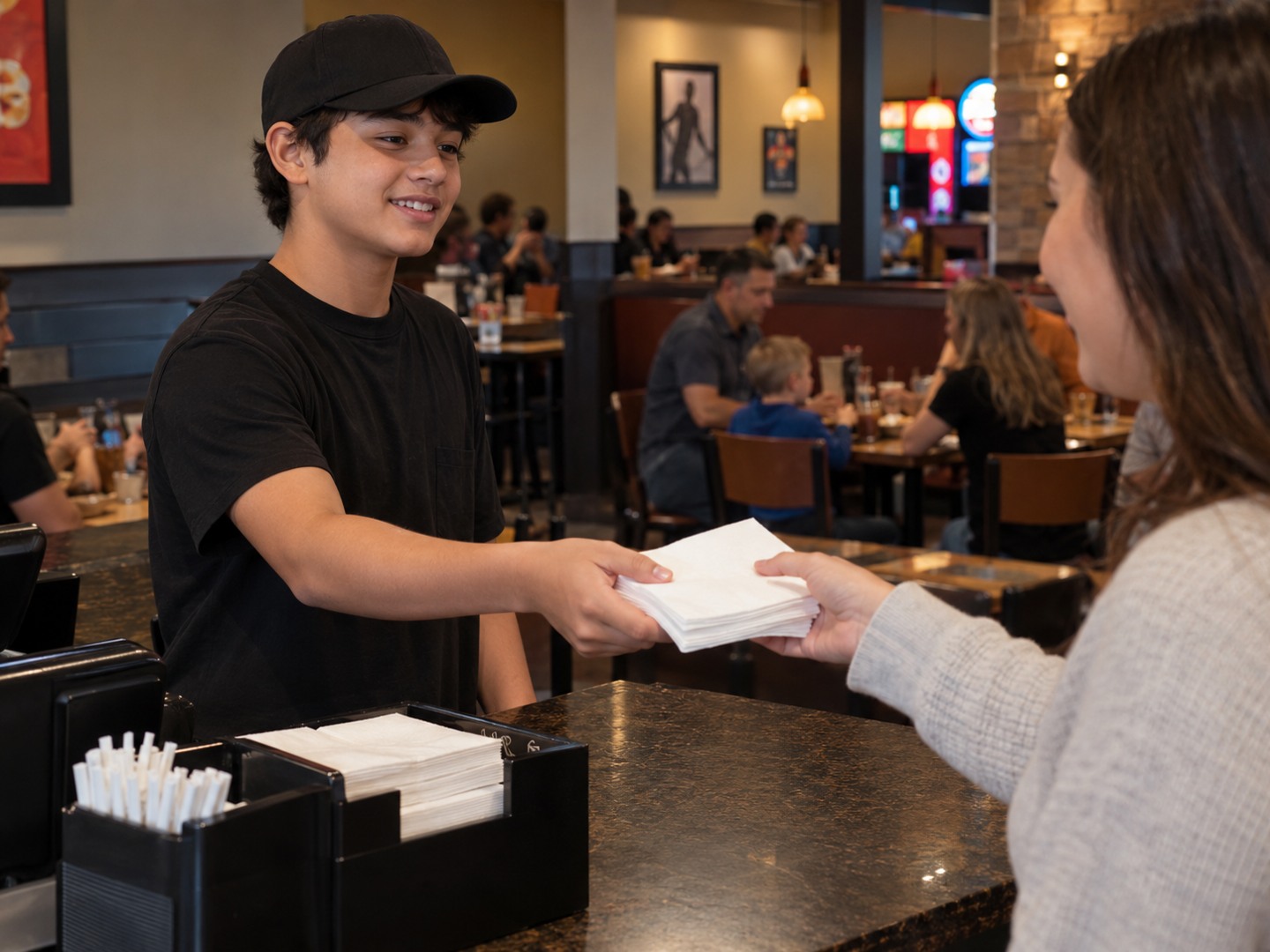
Ask. Then get it for them.
Help with napkins, utensils, and available condiments. Do not simply point guests across the park.
Listen and check the order.
Involve the appropriate teammate or manager to resolve a missing or incorrect item.
Stay within your authority.
Do not promise refunds, replacements, or other adjustments you cannot authorize.
Clean as you work.
Organize the area, remove debris, and reset food-contact surfaces between tasks as required.
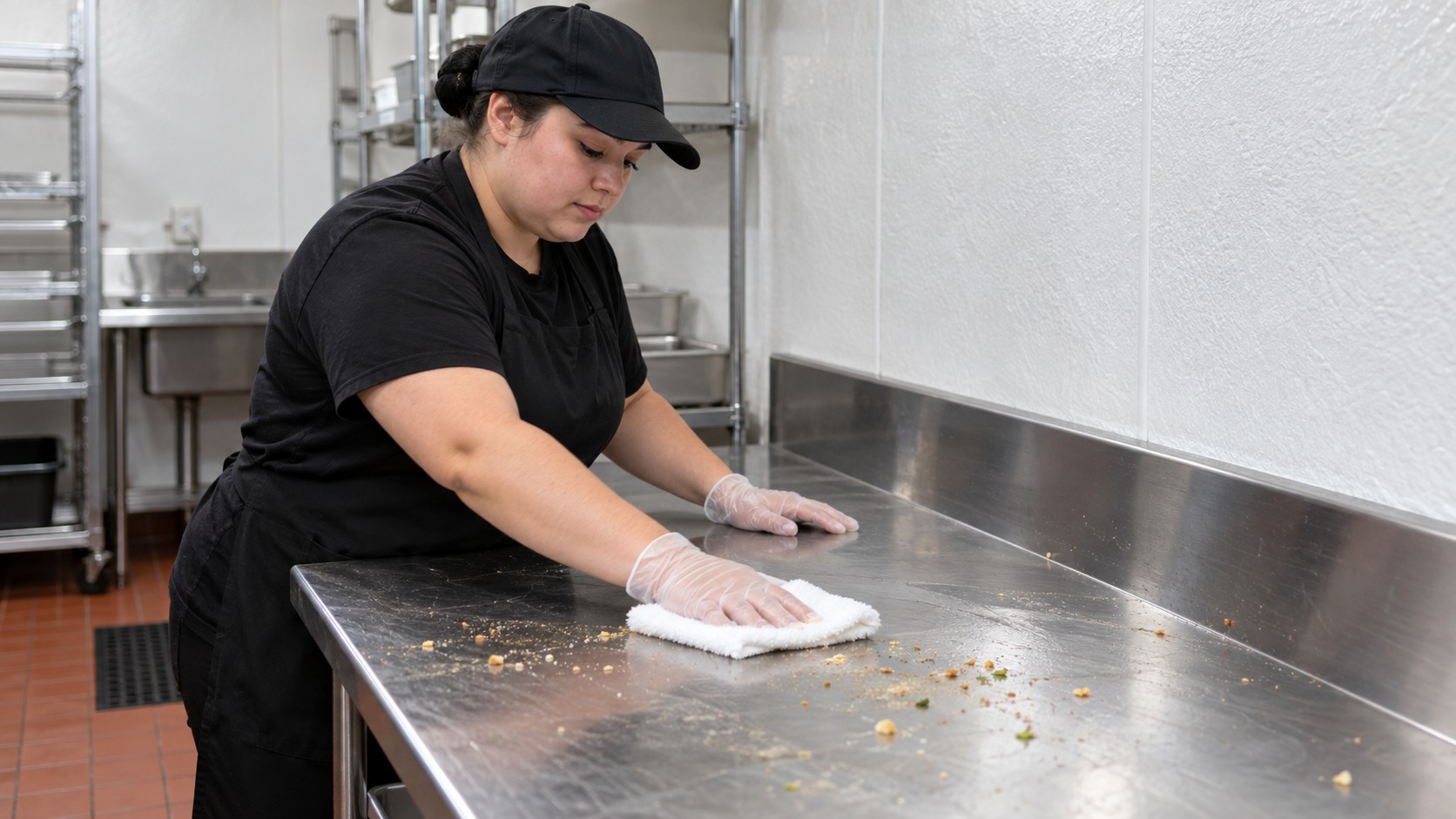
Cleaning comes first.
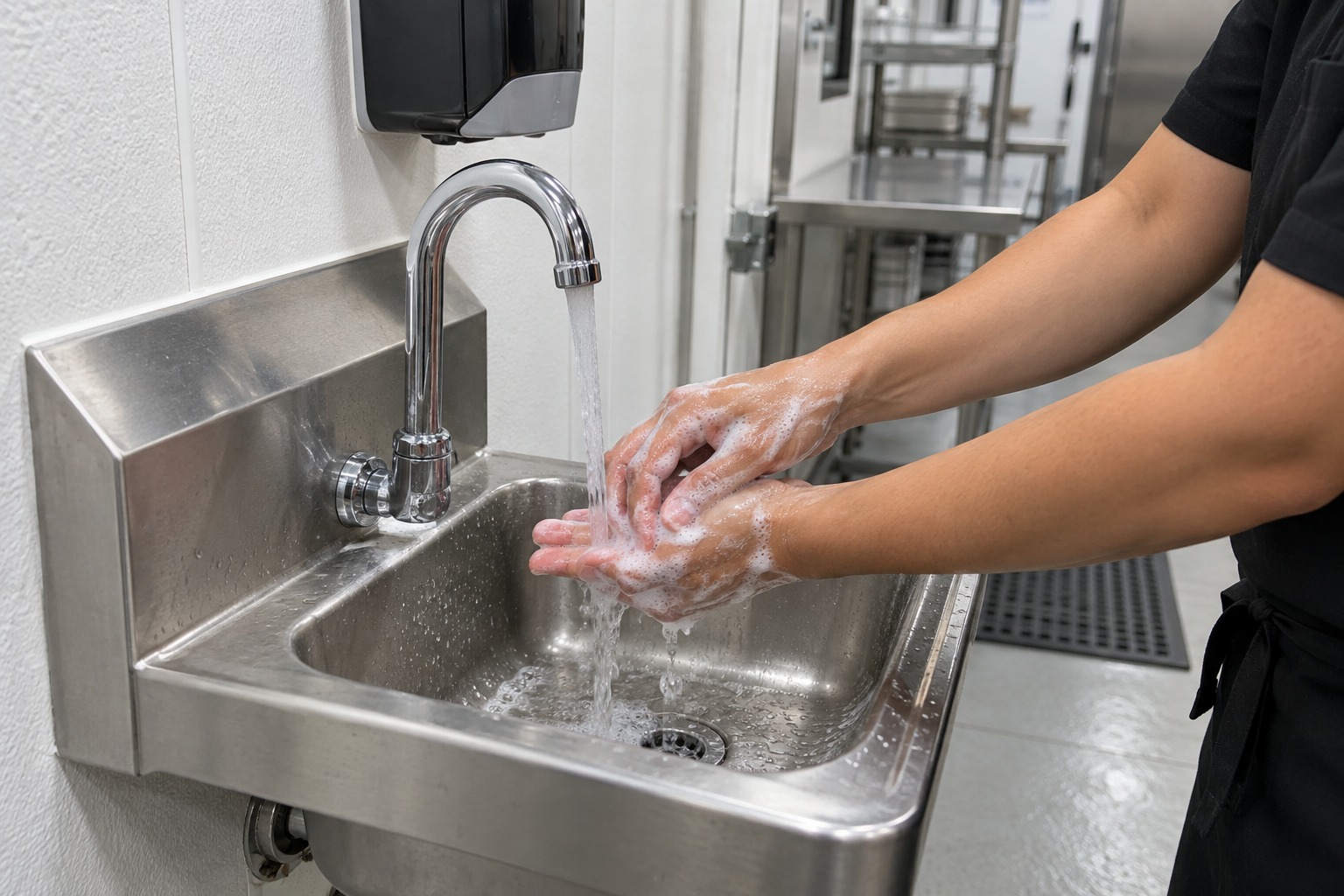
Cleaning removes soil. Sanitizing follows cleaning.
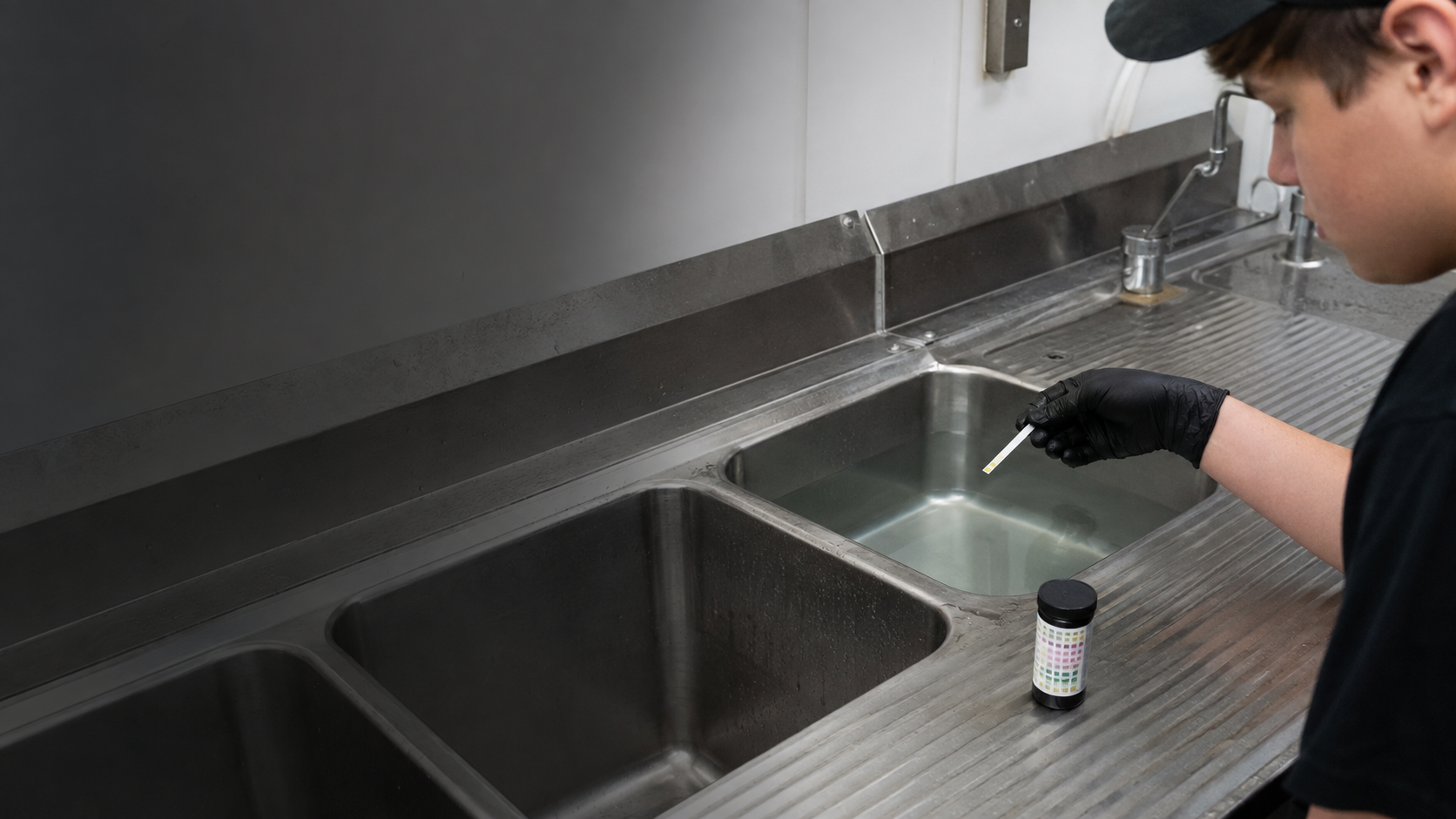
Follow the full sink process.
For utensils and removable food-contact items.
Do not towel-dry sanitized items.
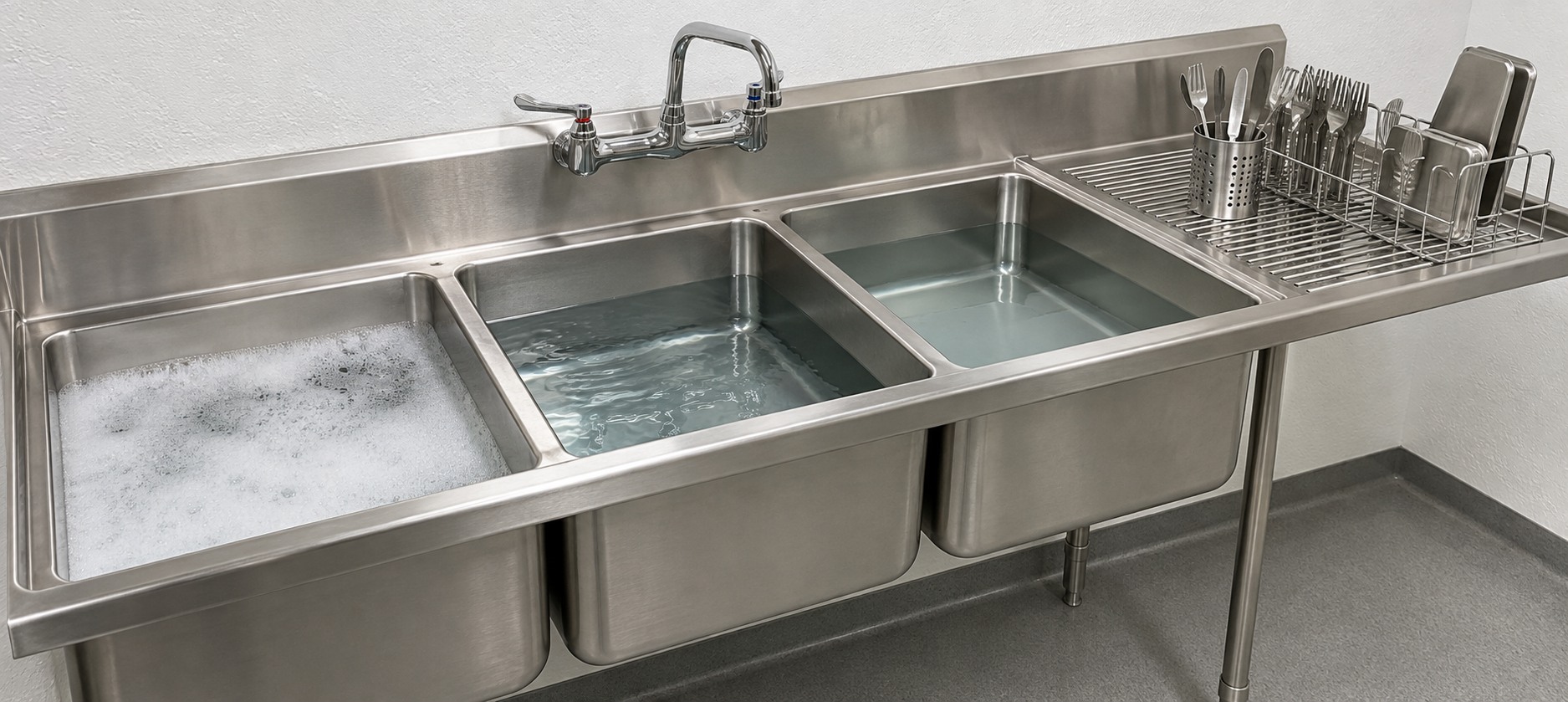 WashRinseSanitizeAir-dry
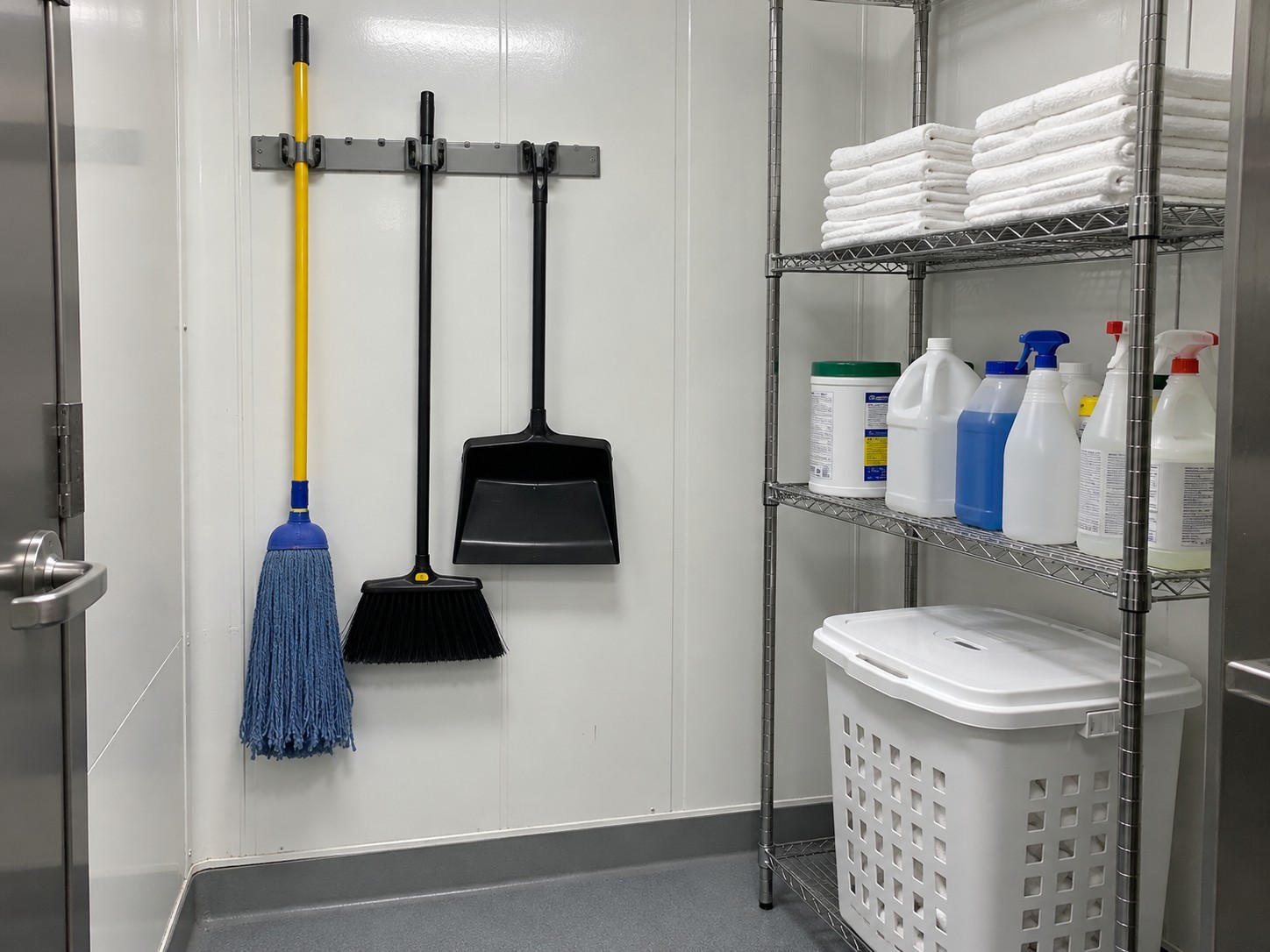
Separate dirty materials and chemicals.
Protect food and clean equipment. Return supplies to their designated locations.
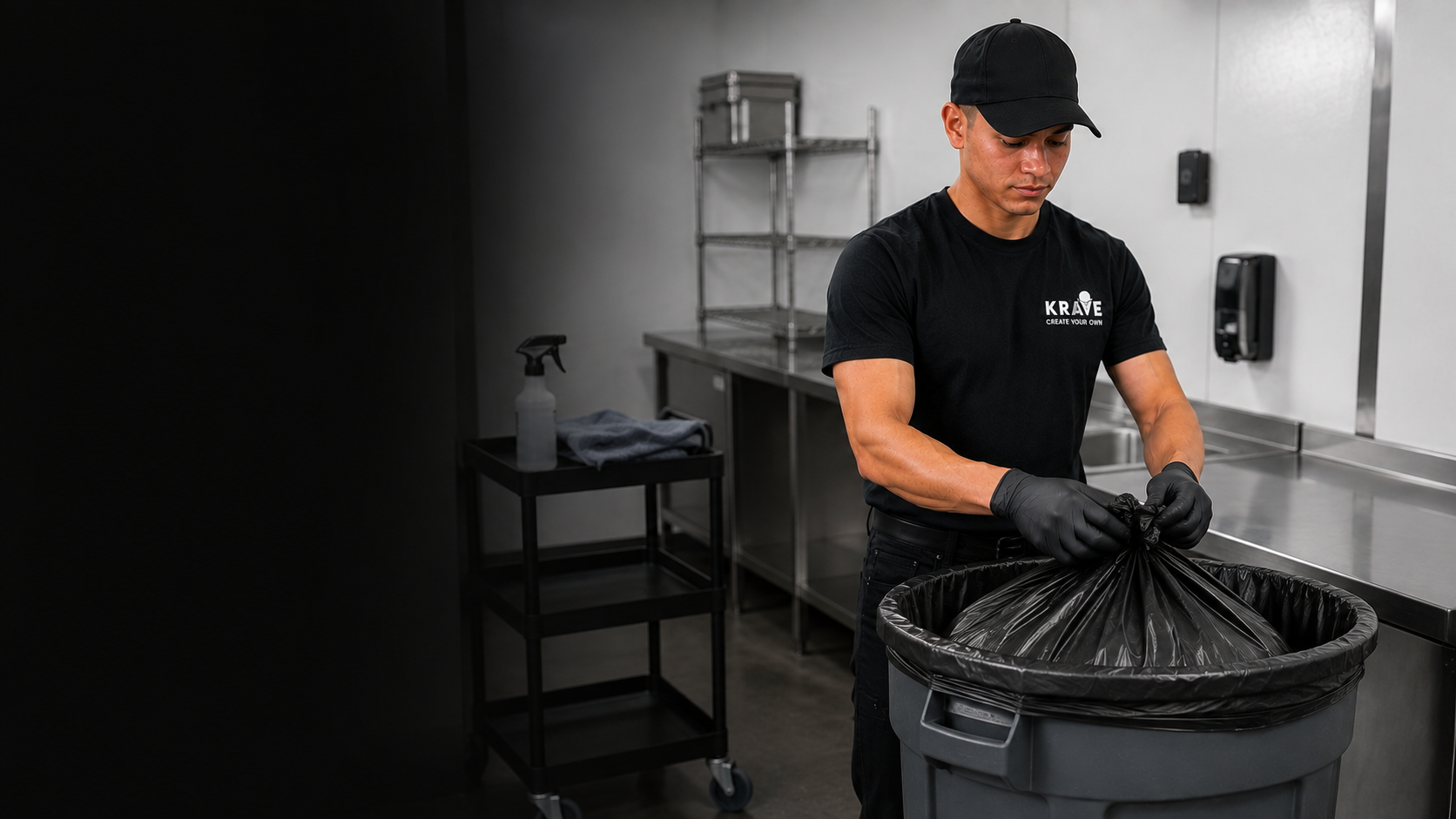
Trash handling is a local procedure.
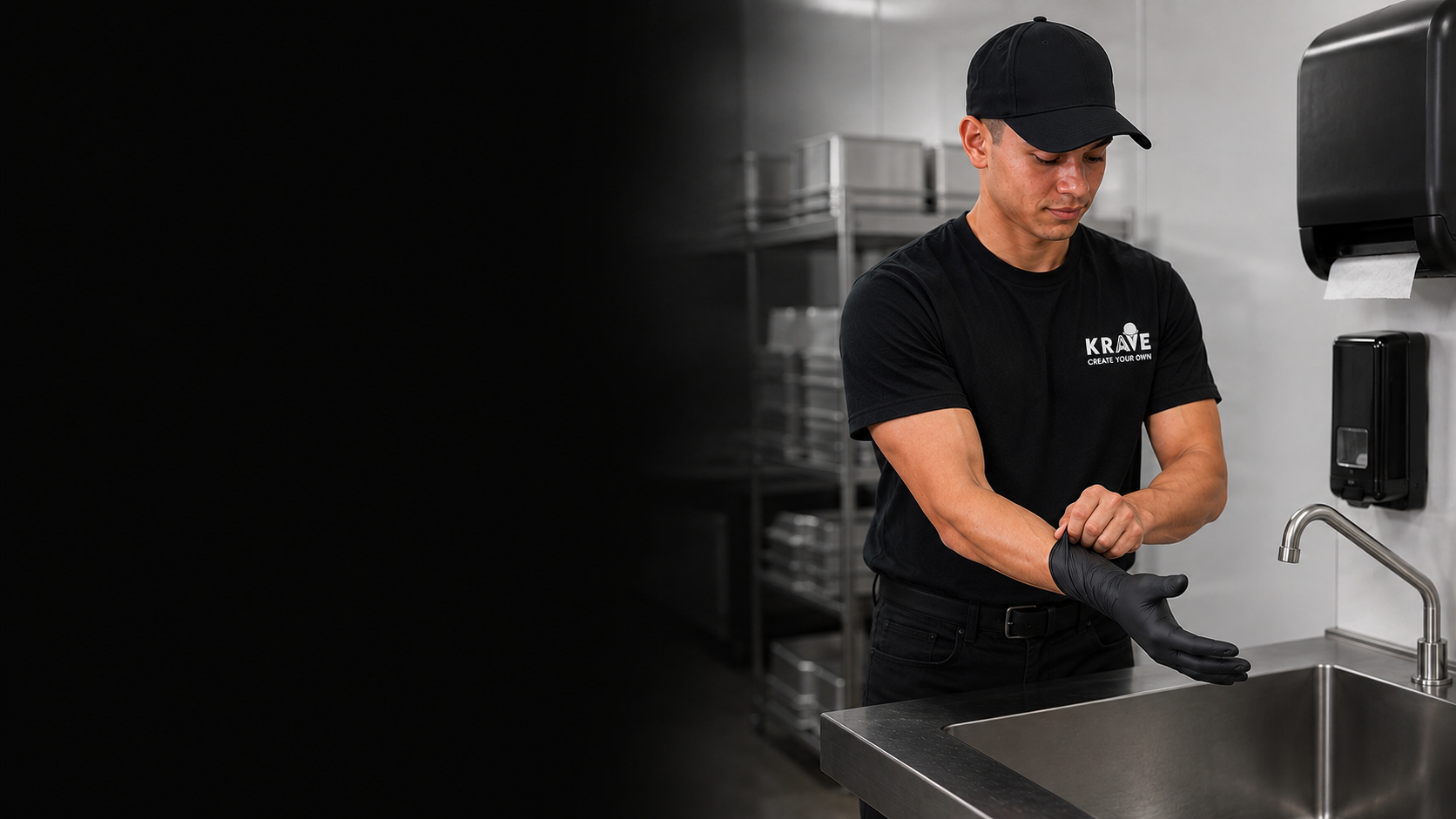
After handling trash, wash hands and change gloves before returning to food preparation.
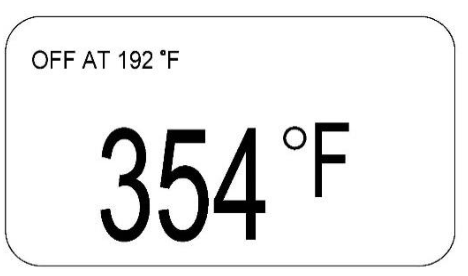
Off does not mean cool.
Oil remains hazardous. Normal shutdown uses the Power button.
Let normal cooldown finish.
The exhaust fan continues running. Do not interrupt it to make the equipment appear off.
Only trained and assigned tasks.
Follow the manual and trainer direction before opening or removing components.
Clean the specified components.
Food chutes, cooking and receiving baskets, grease baffle, and specified interior surfaces.
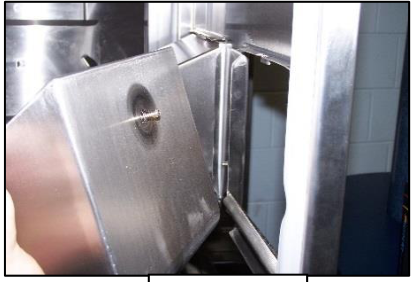
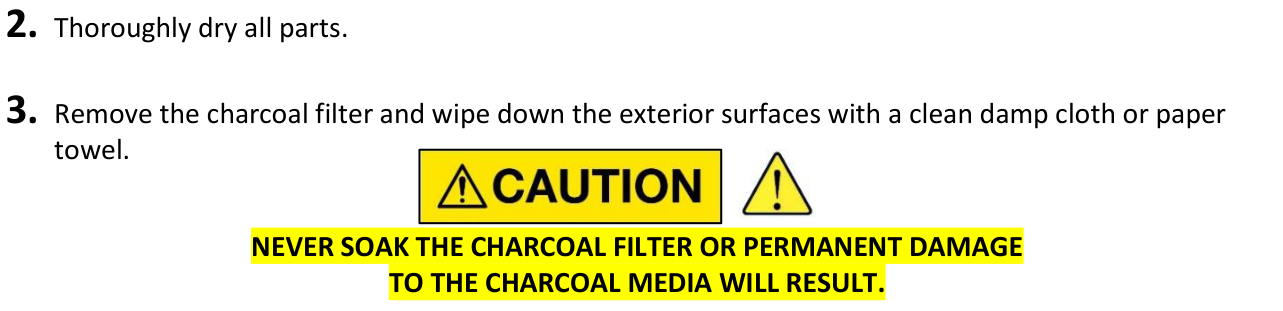
Dry before reassembly.
Never soak the charcoal filter or use a water jet. Oil handling, maintenance, and fire-system work require specific training.
Both chambers need attention.
Turn both chambers off, open the doors, and wait through Cooling Down.
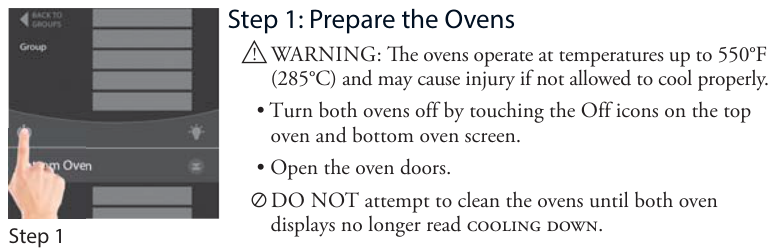
Cool first. Then clean.
Follow the approved procedure with your trainer. Remove and clean racks and grease filters.
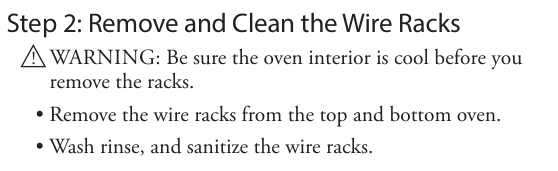
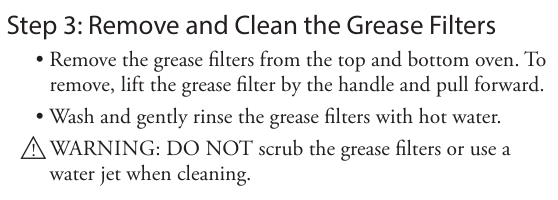
Use approved chemicals and tools.
Protect the oven’s sensitive areas.

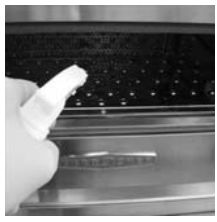
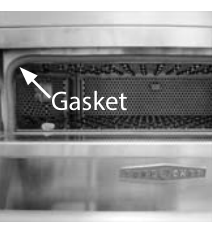
Protect holes, lights, gaskets, and glass.
No cleaner in back-wall holes or directly on lights. Do not scrub gaskets or use abrasives on glass.
Reassemble before operation.
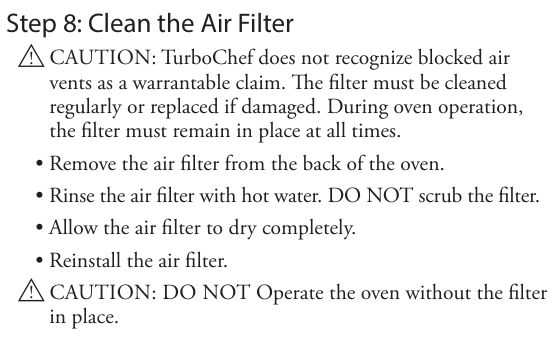
Rear air filter completely dry and installed. Report damaged or missing components.
Leave an accurate handoff.
Review remaining food with your trainer before storage.
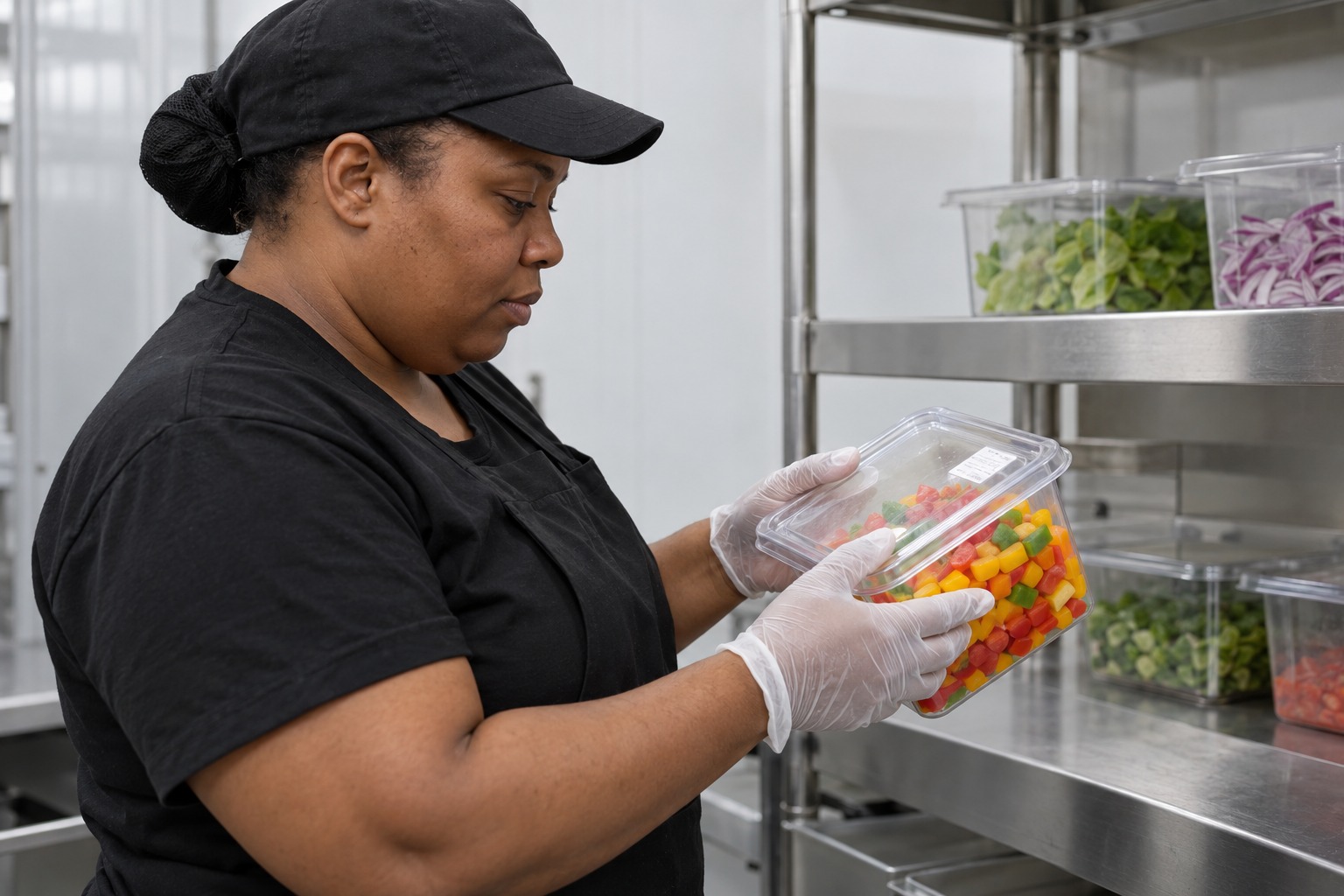
A new label cannot extend life.
Keep the original approved deadline.
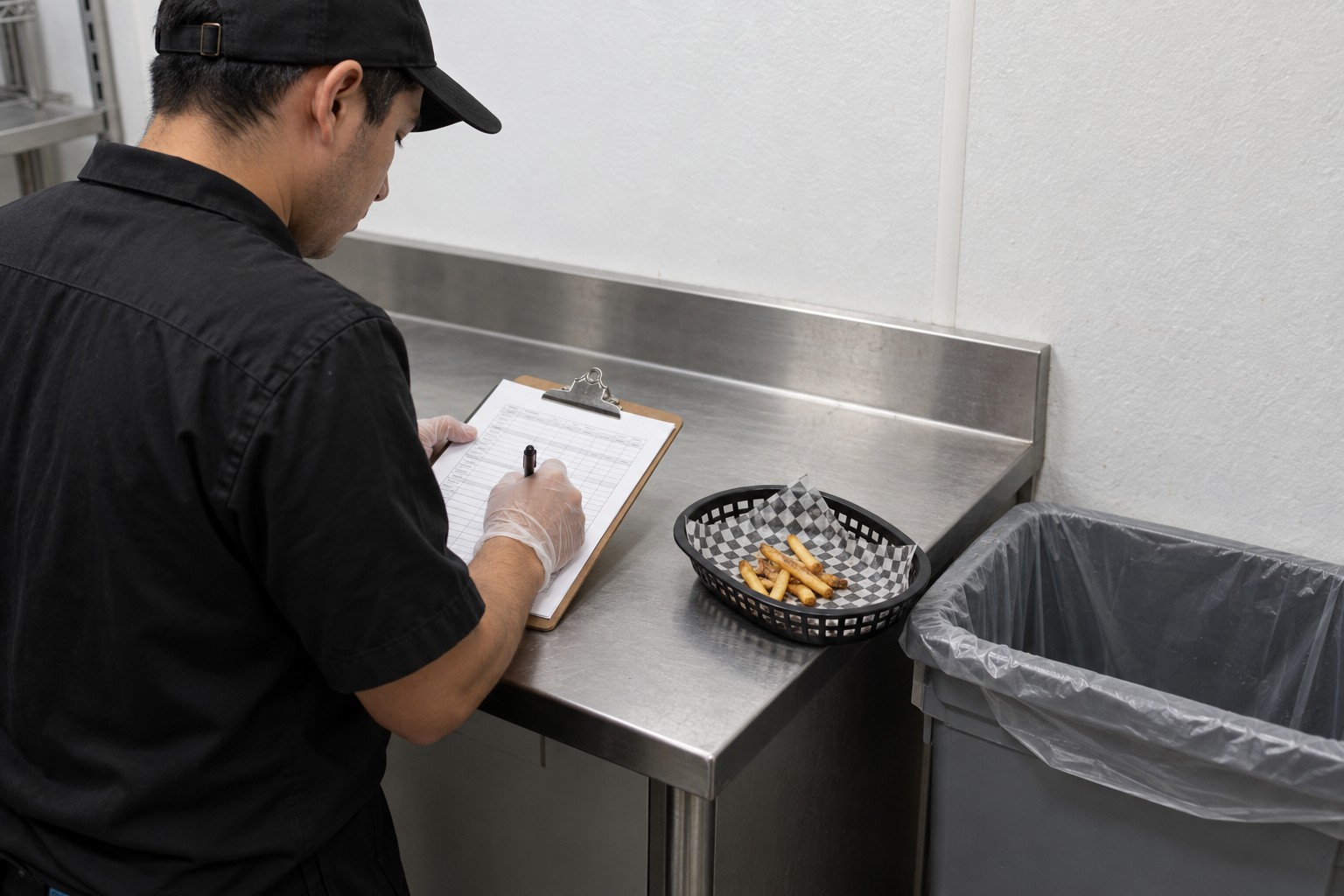
Record actual waste.
Item, portions, reason, time, and employee initials.
Finish assigned closing work.
Equipment shutdown and cleaning, sanitized work areas, local trash procedure, and supplies returned.
Record. Report. Verify.
Complete temperatures, report unresolved issues, and follow local closing checks and manager verification.
Confirm what is complete.
Communicate what still needs attention; nearby activity is not proof a task is done.
Three days. One shift standard.
You have completed the online portion of Krave training.
Practice with your trainer.
Use the Day 3 checklist. Ask for demonstrations and practice safe, consistent performance.
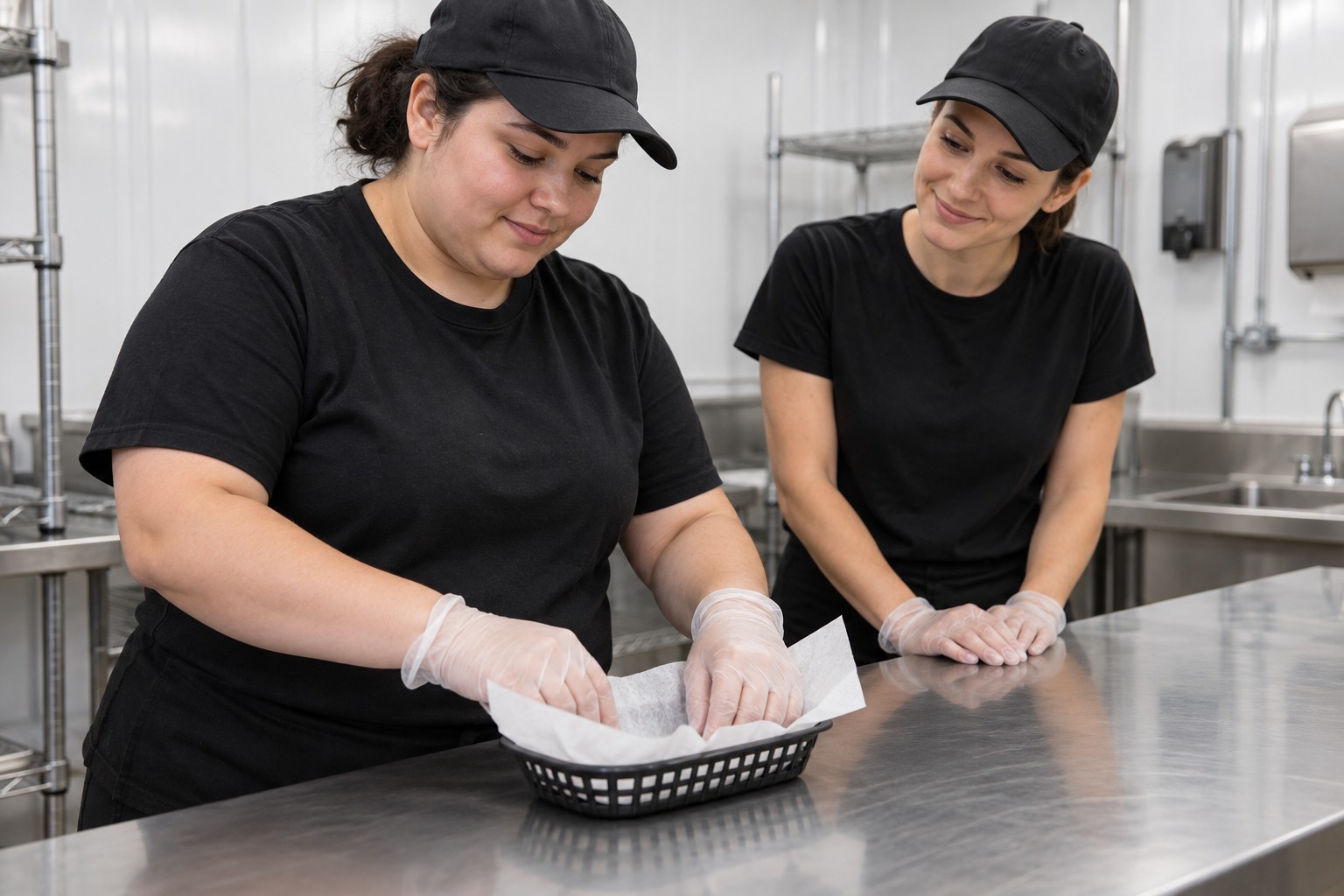
Then take the cumulative final.
The final exam covers all three days because every part still matters on shift.
Bring it to every shift.
Protect the food, communicate clearly, and take care of the guest.